Call us on: 07876 794098

Tag - health

ten trees you can eat - wild food & foraging

Ten Trees You Can Eat

When you’re walking in the woods have you ever wondered which trees you could eat? Of course, I mean the tree’s berries, nuts, leaves and fruit. Chewing on wood is strictly for beavers only. Trees are a great source of wild food and in this article we’re going to take a look at ten of the best native and common British trees which you can forage from as well as giving you some inspiring recipe ideas using these natural ingredients.

Before we get going with the list, if you’re someone who loves trees but struggles to know what you’re looking at on your country walk, you could start building your tree identification skills today by signing up to our free online course, titled Kickstart Your Tree ID Skills. You’d be joining thousands of other students who want to know more about the trees around them. You can enroll for free right here.

Now, on with the top ten list, starting in no particular order with…


1. Sweet Chestnut (Castanea sativa)

Sweet chestnuts are something you typically associate with Christmas (cue Bing Crosby singing here) but in the UK you can forage for your own chestnuts around the middle of October. These really are a top nut and I don’t think we utilise them enough outside of the festive season, there are so many tasty recipes you can use them in. Our home-grown wild nuts tend to be on the smaller side compared to other parts of Europe, as in this country they are at the edge of their natural range. Shop-bought chestnuts tend to be grown in warmer climes such as Italy, Spain, and Croatia.

sweet chestnut tree foraging

Above: Sweet Chestnuts are not just for Christmas. Try roasting them in their shells in the embers of a campfire. Yum!

The casing of the sweet chestnut is easily recognisable by the long, densely packed spikes, and if you’ve ever been curious enough to pick one up you know how delicately they need to be handled to avoid being speared. You can tell when the chestnuts are ripe because the casing will be large and green, heading towards a lighter brown colour. They will also begin to split open as they ripen, and you can often see the shell of the chestnut through the cracks in the casing. The nuts grow in threes inside the spiked case. The shells are, as you would expect, a chestnut brown colour, topped with a white tuft of hairs. When foraging for these nuts make sure you use thick gloves to pry them open.

Taking a step back to look at the whole tree; another indicator you’re looking at sweet chestnut is the trunk itself. On mature trees deep fissures develop that tend to twist and spiral up the trunk. This is a more obvious distinction going into autumn when the tree begins to lose its leaves.

When it comes to cooking with sweet chestnuts the most traditional use is roasting. Firstly, pierce the shell with a knife to prevent them popping and roast them in an oven at 200°c for 30 minutes. My favourite way to cook them is more simple, and connects us with our ancestors; roasting the nut (in their shells) directly in the embers of a campfire. Once cooked, leave to cool for a few minutes then peel the shells off and eat. Other tasty uses for chestnuts are in stuffing, added into brownies or cheesecakes. They add a fantastic sweet nutty taste to anything you add them to, so alternatively you could try pairing them with something salty like a soy sauce glaze, as well as to supplement your sweet dishes.


2. Beech (Fagus sylvatica)

Often called the “queen of British trees” Beech are one of our most magnificent trees. They can grow up to, and sometimes exceed 40 meters height. There’s a beech tree in my village that’s so large you can see it from about a mile away, it’s loved by everyone and has such a magnificent canopy, it’s not hard to see why. You often find these trees on very chalky areas, and they can be identified by their grey-brown bark and iconic nuts that grow in October, with spiky basing that splits open to reveal the smooth pyramid shaped nuts. 
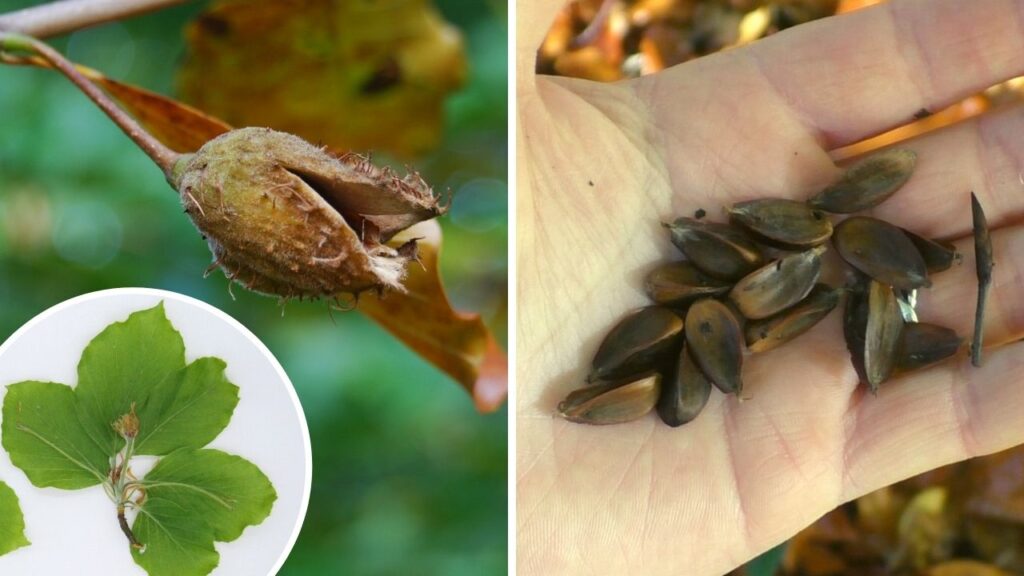
beech nuts - tree foraging

Above: Beech nuts are small but worth the effort. A great snack whilst out on a stroll. Inset: Young leaves make a tangy addition to salads in spring.

As well as being beautiful beech trees have two seasons in the year when parts can be harvested for food. Firstly, around May when new leaves emerge they can be eaten straight off the twig or put into salads or sandwiches. They have a tangy, almost acidic flavour. You’re looking for the lighter green slightly hairy leaves, before they darken in colour and develop an unpalatable, waxy surface. 

In October, it’s the beech nuts which drop to the ground and can be collected for our table. The casing (called mast) splits open and will often drop off the tree with the nuts inside meaning it’s relatively easy to collect them, although you may have to rummage around on the ground a little to find the nuts under the leaf litter. Inside the mast can be up to 3 nuts each in their own triangular brown shell.

Beech nuts are a good source of protein, contain lots of healthy oils and taste a little like hazelnuts making them amazing for both sweet and savoury dishes. It’s advised that you don’t eat too many raw as they contains tannins which can cause an upset stomach, although not everyone has a negative reaction to raw beech nuts but it’s best to be cautious. They’re small though, so collecting that many would be quite a feat. Cooking or soaking removes this toxin and makes them safe to eat en masse, so try toasting them to add to salads or using as a cake topping as an alternative to hazelnuts. I like them best as a snack on the go whilst walking.


3. Blackthorn (Prunus spinosa)

Blackthorns are a favourite of many as they give us the fruit used to make sloe gin. Around autumn there’s excitement in the foraging community as everyone rushes to make their annual batch of sloe gin ready to replace the previous years which will inevitably be either drunk or given as a Christmas present. A friend proudly declared that this Christmas he’ll be opening a bottle he made five years ago! 

sloes and blackthorn - tree foraging

Above: Everyone has heard of sloe gin, but did you know you can use the gin soaked sloes to make boozy chocolates. We dare you to try it.

The blackthorn tree can be identified by their almost black branches (hence the name) and large thorns which can cause a nasty infection if spiked so be very careful when harvesting your sloes, some thick gloves are recommended! In March the blackthorn is the first tree to make its presence known as it erupts en masse in our hedgerows with a show of white blossom. The flowers make for an incredibly beautiful contrast to the black spines. Blackthorn is a tough old tree with a habit of spreading quickly into open space, making it an unwelcome guest with landowners who like things tidy. It follows that with this tough, thorny tree, that seems to be telling us to “look but don’t touch” it would bear such sour fruits that when eaten raw don’t exactly endear themselves to us. They are worth collecting though as alcohol transforms their flavour.

The blackthorn is part of the plum family so this gives us a clue that there’s some good stuff to be had from the fruits. From September onward the sloes take on a dark blue colour as they ripen. The classic recipe, sloe gin, is made using fresh sloes, pricked with a fork, packed into a jar with gin and sugar. Shake this every day to help the sugar dissolve and then after at least a month (longer is better) strain off the berries and bottle the liquid, ready for a Christmas gift or to go on the sdhelf and left for a year before drinking. Also, did you know that the leaves can also be infused with alcohol and are at their best around June and July.

Interestingly sloe stones have been found at many archaeological sites which suggests our ancestors valued this fruit highly as well; it’s lovely to think that the blackthorn has connected us to our ancestors for thousands of years. Try boiling your sloes down to turn them into a jam or syrup, they’re naturally a little tart so it’s best to have a sweet aspect to each recipe such as reducing with sugar or treacle to make a delicious tart filling. If making sloe gin or other alcohol infusion is something you want to give a go, remember this top tip; try saving your soaked sloes to coat in chocolate. This makes for a perfect present for friends and family at Christmas time.


4. Hawthorn (Crataegus monogyna)

I don’t know about you, but I always see the arrival of Hawthorns as the official start of autumn. The iconic red berry a sight you’re likely familiar with as they grow in abundance along roadsides and in hedgerows. Hawthorn trees are one of our most common trees as they can thrive almost anywhere and are popular in hedges as they make a thorny stock-proof barrier which has vigorous regrowth when cut back. Head out to your local green space, you might be surprised by how many hawthorn trees you can find.
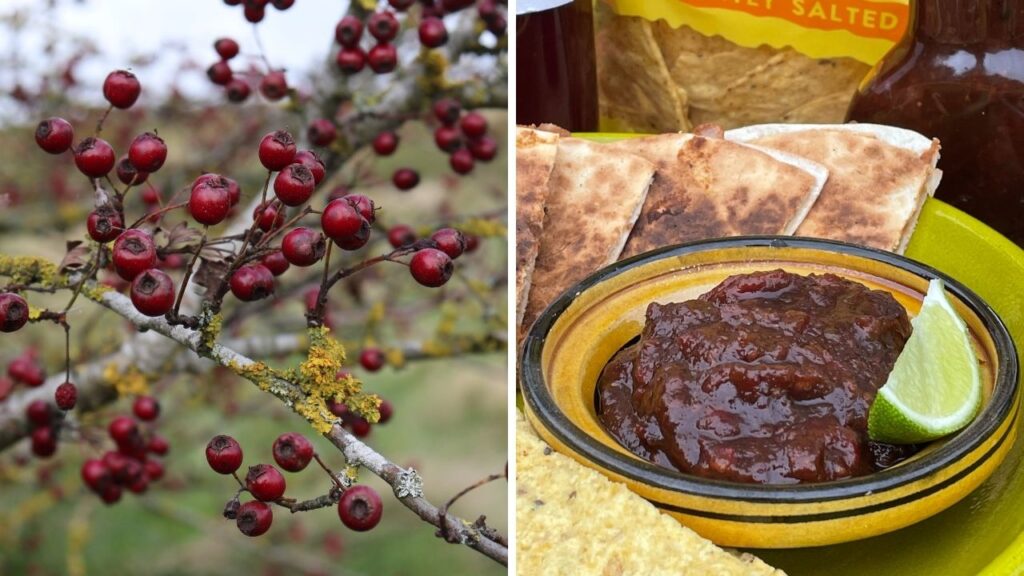
hawthorn - tree foraging

Above: They might not taste like much on their own but as a cooking ingredient they work very well. We made spicy hawthorn relish.

Hawthorns in Autumn are easy to identify, with large bunches of deep red oval berries, known as haws. They can be seen from September onward and can persist on the tree right through winter after the leaves have fallen. One of the earliest identifiers for this tree in our calendar year can be seen in early spring when the bright green leaves with between 3-5 jagged lobes, looking somewhat similar to parsley, explode in our hedgerows after the white blossom of blackthorn. In April and May look for a show of beautiful flowers blooming from this tree. They resemble cherry blossom, with a strong scent of almonds, 5 small white petals and pink stamens. 

Back in autumn with the berries; you could eat a single haw and be forgiven for wondering what all the fuss is about as there’s not much taste to them. But that couldn’t be more wrong, this is such a versatile food source that not enough people know about. Where the haws shine is as an ingredient rather than a food on its own. Haws contain a single stone which needs to be removed before they can be eaten. This can be a time consuming process, but the reward is worth it. These berries can be used to make everything from jam, ketchup, relish and even wine; boiling and straining can be a quicker way of removing the stones than individually de-stoning each fruit. Although they’re fairly plain in flavour they have a similar texture to avocados, making them an eco-friendly substitute to use in guacamole.

As well as making some delicious foods, the haws are incredibly good for you. They can increase the blood flow to the heart, helping prevent heart attacks as well as reducing irregular heartbeats. This isn’t a new discovery either, haws have been used to treat heart conditions as early as the 17th century. If you are on heart medication, seek advice form a professional herbalist before eating them.


5. Sea Buckthorn (Hippophae rhamnoides)

Sea buckthorn is incredibly beautiful when the tree is fruiting; with gorgeous bunches of bright orange berries surrounded by silvery green leaves that heavily resemble rosemary. The fruit of this tree is citrusy but does require some sweetening as it has a naturally sharp almost bitter flavour, similar to the acidity of a grapefruit. In terms of flavour, this is about as tropical as it gets for native tree foraging. If you don’t mind a bit of work and being spiked by thorns, then you’re in for a treat that packs a mighty punch.
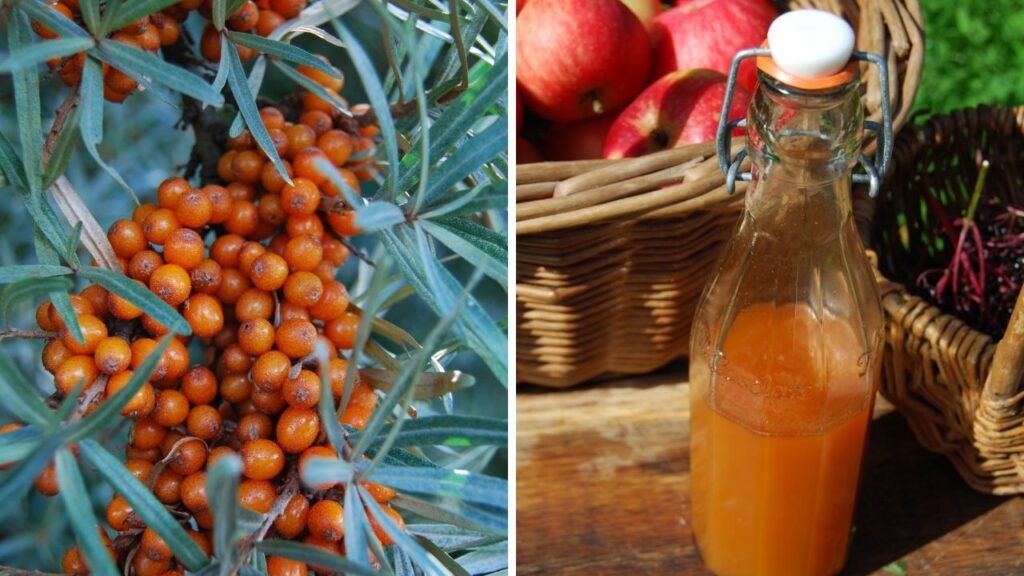
sea buckthorn - tree foraging

Above: If you want a juice that packs a serious punch for both taste and health, try Sea Buckthorn.

Unfortunately, the sea buckthorn isn’t very common and is normally only found near the coastline or in very gravely areas. However, you might find it along roadsides and in retail parks or industrial estates, where it can be planted as cover. If you discover one of these trees locally make a note of it and be sure to give it a visit when it’s fruiting! These beautiful berries come into fruit around September to early October and are best picked after all the berries on the tree turn from green to orange as it’s when they’re at their most ripe. The tricky part of collecting the berries of the sea buckthorn is how prone they are to bursting when picking, meaning you could get juice on your clothes so make sure you’re not wearing your favourite white shirt when collecting these.

There are two main ways you can collect the berries; if you’re not too bothered about the whole berry and are happy with just the juice, which is the best part in my opinion, you can use some very thick rubber gloves to squeeze down a branch to collect the juice into a bucket. This will need straining once you get home to remove any bits of leaf or debris that you’ll also find in your bucket. This is the fastest way to collect the juice, but works best when the berries are a little softer later in the season. Another method is to snip off twigs that have berry clusters. Take them home and leave them outside on a towel or some tissue to allow any creepy crawlies to escape before putting them in a bin liner and bunging them in the freezer overnight. Once the berries are frozen beat the bag to dislodge them from the branch and then pick out the branches and leaves. This is my preferred method.

You can strain the berries to make a nutritious fruit juice, although some sweetening is recommended, try adding honey as a healthier alternative to sugar. To make a cordial, reduce the juice by simmering and add sugar. Dilute with water and serve with ice, or use neat added to sparkling wine to make a sea bucks fizz! As well as being delicious, sea buckthorn hailed as a superfood, being packed with vitamins and minerals such as Vitamin A, B and C and is proven to preventing tumours, ulcers and detoxify the liver.


6. Elder (Sambucus nigra)

Whenever I think of summer elderflower cordial always springs to mind. Its subtle sweetness reminds me of hot breezy days. The elder tree has got to be in the top ten wild foods of the UK as it provides two delicacies for us to enjoy. The flowers which bloom in June and the berries which ripen around August to September. If you have a shrub in your garden I would recommend not taking all the flowers as you’ll then be stuck without any berries later on. Leave some to mature and you get to enjoy both harvests.

elderberry - tree foraging

Above: Elderberries are packed full of good things. Our favourite recipe is Elderberry Elixir, made with honey, brandy and warming spices.

Whilst elderberries are easily recognisable, the spray of creamy-white summer flowers are easy to mistake for other similar looking trees. Make sure you’re not accidentally picking flowers from a Rowan or Wayfaring tree as they look similar when in bloom. Get to know the whole tree. The leaves of the elder are jagged around the edge and typically have five large leaflets on each leaf. The flowers themselves are very small and grow in dense bunches that tend to grow upwards in fairly uniform, flat formation. The stems will droop down when the flowers turn into the berries. 

Elderflower cordial is an obvious classic recipe for the elder but there are so many more ways you can use the flowers. Try infusing them into Turkish delight or sorbets for a sweet treat or using them to flavour panna cotta or yoghurt. Don’t feel limited by traditional uses for elderflower cordial either, use the cordial to flavour cakes and tray bakes or add to sparkling wine. 

Come the autumn, the berries are well worth your attention. Not only does their juice taste great but they’re good for our health too, making an excellent immune system booster. Be sure to use any freshly picked berries quickly as they don’t tend to last for very long once they’ve been picked. Try cooking them to make jam, using them to make a coulis for a pudding topping, or mixing with honey and spices to make a warming elderberry elixir – this is our personal favourite. The deep purple syrup is very striking when drizzled on cheesecake. Some more unusual uses for elderberries are to make vinegar and fruit leather.

Do be aware that the seeds in the berries contain a small amount of cyanide, so you don’t want to eat the berries raw, they must be cooked. We remove the seeds and flesh by straining the cooked berries through a muslin cloth.


7. Hazel (Corylus avellana)

Hazel, as you can probably guess, gives us the hazelnut; something so commonly used in modern processed foods you may forget that you can forage for them yourself. How does the idea of making your own hazelnut chocolate spread sound? When identifying a hazel, you’re more likely to find one in shrub form rather than a full tree, with several stems sprouting from the base rather than one single trunk. In summer the leaves are large and round with a serrated edge. At the tips of the yellow-brown branches you’ll also see large green buds. When searching for a hazelnuts the best place to look is hedgerows and woodland edges. The nuts tend not to grow as well in deeper woodland as they get shaded out by taller trees.

hazelnuts - tree foraging

Above: Make your own nutty chocolate spread from hazelnuts, if you can beat the squirrels to them.

The best time of year for hazelnuts is the back end of August and into September. When you find them they might appear fairly green. These are unripe but can still be eaten. They are best when the shells have turned nut brown. They tend to grow in clusters and the nuts will have a frilly green bract around them, almost making them look like they’re wearing hats. Ripe nuts will fall from the tree but make sure you crack open the casing of a few nuts before you collect loads as often  the tree will discard any nuts that haven’t been successful to focus on growing others. Nobody wants to go home to find they’ve actually been carrying empty shells.

The other issue to content with is the Grey Squirrel who will harvest all the nuts from your favourite hazel tree before they ripen. Aside from the obvious solution to this problem (squirrel pie anyone?) you could try netting a small tree (easier said than done) or look for a tree in an urban space where squirrels aren’t present. This is where I’ve had the most success myself.

Hazelnuts give us so many possibilities. They make a nutritious addition to cakes and bakes. They compliment chocolate really nicely so you could try incorporating them into a batch of cookies which are sure to go down a treat. For something more low-key you could always sprinkle chopped hazelnuts onto a bowl of muesli or porridge for a healthy breakfast to kickstart your day with plenty of energy. Possibly a more unusual way of using the nuts would be to blend them into some homemade green pesto for extra crunch and depth of flavour, you could even try toasting them first. 

The good news is that these delicious nuts are really good for you as well, supporting a healthy heart and helping to reduce cholesterol. They’re also full of vitamin E which helps maintain a healthy immune system, so there’s no need to feel bad about snacking on this treat. 


8. Rowan (Sorbus aucuparia) 

Otherwise known as Mountain Ash, this tree grows not only in high places, as it’s name suggests, but can also be found in hedgerows, scrubland and urban spaces. When flowering, rowan is easily mistaken for the elderflower as they have similar sized white flowers sitting on a flat bed, called an umbel. Once these flowers mature to fruit though the difference becomes very obvious. Rowan produces striking red berries instead of the purple-black of elder. The berries are also larger and persist on the tree long after the elderberries have dried up. Another similar feature are the leaves. Rowan has more leaflets per leaf than elder. Anywhere between 11 – 17 leaflets, opposed to elder typical 5-7.

rowan berries - tree foraging

Above: The most famous recipe for these berries is Rowan Jelly, which includes Crab Apple. It goes great with game.

It’s these juicy red berries that we’re looking to forage. You can find them on the tree as early as late July. September onwards is the main season though. Don’t be tempted to eat these berries right off the tree as they need to be cooked before they’re edible, otherwise they can cause severe indigestion due to the ascorbic acid they contain. The most traditional recipe for this unusual berry is rowan berry jelly, often paired here with crab apples as the pectin tends to thicken the jelly and make sure it sets properly.The crabs are also sweetening the jelly.

To make a jelly add equal quantities of chopped apple and rowan to a pan and simmer in water for 20 minutes. Strain in a muslin cloth over a bowl for at least 4 hours, allowing the juice to drip into the bowl, if you squeeze the mix then the jam will be cloudy. Harvest the liquid and for every 600ml of fluid, add 450g sugar and the juice of one lemon and boil again for 10 minutes. You can test when it’s ready by putting a spoonful on a chilled plate; if the jelly wrinkles when you squidge it with your finger its ready to be put into a sterilised jar. This jelly is perfect to accompany meats or even something like cheesecake to add a tart splash of colour to your pate. 

Interestingly, rowan berry flour is used in Russian baking, which gives bread a slight tang and adds a lot of nutrition. Rowan berries can also be added into chutneys, soups, and ketchups to add a depth of flavour, although it is worth adding a source of sweetness to counteract the tartness they naturally have. This is one berry that I’ve not actually gotten round to cooking with myself at the time of writing, but the jelly recipe is one that has persisted through time so it must be worthwhile. Let me know how you get on.


9. Crab Apple (Malus sylvestris)


Crab apples are a bit tricky, as the sourness of these wild fruits tends to catch people off guard. I still remember the shock of biting into one and finding out just how sour they were for the first time! Fortunately, there are still numerous ways you can use the crab apple and sweeten it to make it more digestible.

crab apple - tree foraging

Above: From these humble beginnings, all our cultivated apples came. The crab apple deserves some respect.

Unlike cooking apples, the crab apple is small, often only reaching around 3cm in diameter. This may be why they are so tart, as the flavour is concentrated in a smaller fruit. Crab apple trees are often found in hedgerows, woodland clearings and around farmland. The leaves are ovular with a finely toothed margin. The apples can be stored for several months before they become unusable, keep them somewhere cool and dry and you can always come back to them when your other foraging projects are done.

Like the rowan, crab apple is often used in jellies to offset the sharpness of flavour and I would follow a similar recipe to the rowan berry jelly above. There are many more ways to use them though. They can be sliced and dehydrated in an oven to make dried apple slices, which tend to be a lot sweeter and make a delicious snack on walks or part of a healthy breakfast when mixed with yoghurt and nuts. They can also be used as an ingredient in fruit leather which is always very popular with kids. For grown ups, how about this liqueur? Add layers of sliced crab apples to a jar, sprinkling sugar in between each layer and then covering with vodka. Leave for a year before draining; a long time I know but you should have a bottle ready for the following Christmas.

Other ideas for the crab apple include juicing them, crab apple butter, adding them to pickles or chutneys, or in a mixed fruit pie or crumble. Their tartness adds an unexpected bite to sweet puddings, so give it a go.


10. Guelder-Rose (Viburnum opulus)

The guelder-rose  was previously known as swamp elder, which to me is a more appropriate name as it describes this shrubby tree much better. Native to the UK the guelder-rose can be identified in the summer by its serrated three lobed leaves, which are similar looking to maple leaves, and are slightly hairy on the underside. Similar again to the elder and rowan the guelder-rose has umbels of white flowers that bloom around May to July. Look closer and you’ll see that a cluster of larger petalled flowers are surrounded by a ring of smaller flowers. Very striking indeed. In autumn these flowers mature to small shiny red berries, similar in appearance to cranberries which sometimes gives it the nickname European cranberry bush.

guelder rose - tree foraging

Above: A less well known wild food, these berries make a tasty, tangy jam which goes great on toast.

When searching for this berry look in damp places along riversides, scrubland, and hedgerows; it tends to have a habit of spreading if left unattended. When preparing the berries make sure they’re cooked before eating them as they can be slightly toxic if eaten raw, so don’t eat them straight off the tree. The berries need to be prepared in a similar way to rowan, as they are also fairly bitter. They do work well in jellies and jams. Try adding them with rowan berries and crab apples for a tangy addition to toast and porridge or add a dollop to your Sunday roast. Often it’s best to wait for the first frost of the year before collecting the berries as it tends to sweeten them, but you could always pop them in the freezer for the same effect if you can’t wait. I made jam and although when cooking the aroma wasn’t all that appetising, the resulting jam was very good.

As well as being used as a source of food the bark of the tree has been used for hundreds of years to soothe menstrual cramps as the bark has sedative and antispasmodic properties. This is probably due to the chemical viopudial, a compound that lowers blood pressure relaxes smooth muscle, which also means it’s useful in alleviating hiccups and stomach aches. However, it is worth saying that there have been no medical trials to confirm these properties or in what quantities it should be consumed, so I wouldn’t advise just peeling off bits of bark to use, especially if you’re not confident on your identification. Seek the advice of a professional herbalist if you want to take this further.


Where Can You Find These Trees?

Now this all sounds good on paper but how you do go about recognising these tree species and finding the right habitats where they grow?

I have created a FREE online Tree Identification course called Kickstart Your Tree ID Skills, which you can enroll on today and start improving your skills so you can find these wild foods for yourself. The course will also show you how to identify trees at other times of the year; winter, spring and summer. Here you will learn about buds, flowers, leaves, bark and other useful identifying signs so you can really get to know our native trees all year round. Sound good to you? Register for free right here.

free tree identification course

Sign up to our free course today and watch videos, download cheat sheets and access photo galleries.

You can also download a copy of my FREE Autumn Tree Guide which you can view on your phone whilst out and about. It features many of the species in this blog with quality pictures of the fruits, berries and nuts. You can grab your copy of that guide right here.

So, there’s my list, not so much a definitive top ten, as there are a couple of omissions here of native trees which produce some fantastic wild foods at times of the year other than autumn. Perhaps I’ll make that absolute top ten list later down the line. Certainly birch sap syrup, wych elm seeds wild cherries are all worth a mention.

I hope you found this article inspiring and I’d love to hear if you make anything with the wild foods featured. If you want more good stuff from us you could subscribe to our YouTube Channel where we post videos about trees, wild food and nature connection.

Happy foraging,

James
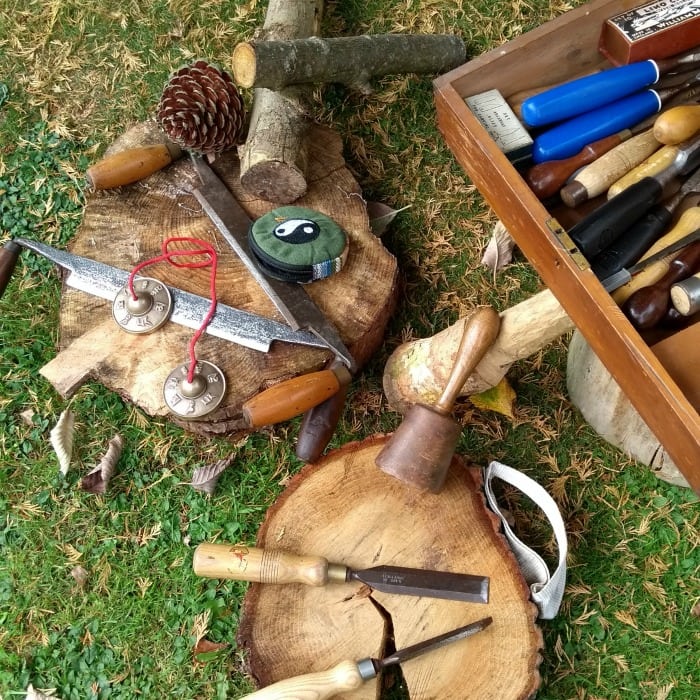
bushcraft and mindfulness tools

Mindfulness & Bushcraft: Perfect Partners

Want to be healthier and happier? I’d say you need more wildness in your life!

by Lea Kendall (Counsellor, Mindfulness in the Woods Practitioner and Outdoor Activity Leader)

We, as a species, need to rewild ourselves. Practising bushcraft and taking time out for ourselves in nature can be our vehicle to honouring our ancient, wild selves. It’s an approach that we teach during our Woodland Wellbeing & Bushcraft Weekend which is one of our favourite events of the year. You may have seen plenty of stories doing the rounds about landowners who are letting wildlife do its thing as farms, forestry plantations and gardens are allowed to go back to nature. Whether it’s called rewilding, natural regeneration or non-intervention, the aim is usually the same; to benefit wildlife by increasing biodiversity. The results in many of these projects have seen a huge increase in the variety of animal and plant life, as well as the joy and happiness that comes to those who get to watch wildlife thriving around them. Species of insects and wildflowers have exploded and following them, all the birds and mammals that come with them. All because humans have withdrawn their input. Let’s take a step back and understand just what rewilding is…

“Rewilding is a progressive approach to conservation. It’s about letting nature take care of itself, enabling natural processes to shape land and sea, repair damaged ecosystems and restore degraded landscapes. Through rewilding, wildlife’s natural rhythms create wilder, more biodiverse habitats.” Rewidling Europe

So, can we also apply this approach to how we live our own lives? Absolutely!

Rewilding Your Soul

The health benefits of being outdoors is one topic I find fascinating. As well as being the co-owner of an Outdoor Education & Bushcraft company, I also work in mental health as a counsellor. In my work I have always been interested in the idea of our inner hunter-gatherer. Studies have shown that our brains are still wired up to a live in the world of our ancestors where our priorities were to hunt and gather for food, build shelter, connect with our families and communities and use plants to heal ourselves. Occasionally we’d experience the stress response to run away from danger or fight to protect ourselves from harm. In the world of the hunter-gatherer these stressful instances would have normally been short lived and with the immediate danger passed we’d soon return to the safety of our tribe, an ongoing cycle of relaxation to stress to relaxation, completed and no harm done. Fast forward to today however, and our modern, fast-paced lifestyles mean we spend much of our lives in this stress state. Cortisol (your body’s main stress hormone) is racing through our systems steadily and rarely do we get much of a break from this to reconnect with our tribe and loved ones and complete the cycle, allowing the brain to get it’s much needed rest.

Society has changed in the blink of an evolutionary eye, and our brain wiring is nowhere near caught up yet. It’s still happier picking berries, whittling spoons and bonding with each other whilst sat round the campfire under the canopy of the trees and stars.

Research by Mark Berman at the University of Chicago says that if you add 10 trees to any given urban block, residents report a 1% increase in wellness, if you wanted to give the same effect using money for increasing happiness you’d have to pay each household $10,000 or make the residents 7 years younger. Trees, nature, wildness, they all increase our happiness and well-being. So, why don’t we choose to spend more time immersed in nature if it’s so good for us?

I believe that positive mental and physical health can be achieved through the art of bushcraft and being mindful in nature. Here we are doing two very simple things; we are honouring our inner hunter-gatherer and living in the present moment. We are also surrounding ourselves amongst trees in a beautiful forest. Those trees have been scientifically proven to have their own natural healing powers, but that’s a story for another time.

bushcraft and mindfulness in north wales

Bushcraft – Just What the Doctor Ordered

So, how do we start to rewild our spirit? We need to make time to nurture our emotional, cognitive and social selves.

Our good friend Nick Hulley at in2thewildwood is a fellow Bushcraft Instructor based in Staffordshire and a previous tutor on our Woodland Wellbeing & Bushcraft Weekend in North Wales. He brings mindfulness into the very core of his life. Let’s let Nick explain in his own words…

“After my ‘safety-rounds’ along the rides, the trails and the woodland fringes; I ease into the fire circle glade. I lower my rucksack, remove the kindling from home along with the tinder, heft my axe into a couple of logs, light the fire and boil the kettle – wood smoke, tea, crackling billets, fresh cut logs, the fire light flicker, the outer focus stillness and yet the inner calmness continues to enrich my wellbeing. I ground myself, cross-legged and centred. The following fifteen minutes of the breath, the inner sight, the acknowledgement and the continued return to the breath sets me up for the day: this marriage works, forest environments, Bushcraft and Mindfulness: even if it is just a short centre and pause whilst doing.”

When hosting a woodland skills session, mindfulness informs how he moves about the woods, how he uses all his senses to feel the forest, how the trees nourish him, how he pauses and calmly absorbs all about him: likewise for his learners on the courses he delivers for them. Nick continues…

“It is wonderful to now be aware that for all these years, working as I do in a forest setting, that research has been going on with the intent to establish positive links between woodlands & improved health. Shinrin-yoku (forest bathing in Japan) and its beneficial outcomes is one of the many researched avenues involving forested settings; which provide a life enhancing backdrop to the union of Bushcraft activities and primitive skills learning complimented by Mindfulness, with its slowed, peaceful and thoughtful considerations of the natural world and our impact on it.”

Rewilding Your Body

Many of us already know how to rewild our back gardens, letting nature take over or by planting native plants and bee-friendly flowers. But we can also increase the ‘wildness’ of our gut by eating healthy, fermented and ‘dirty’ wild food.

fermented wild greens kimchiI’ve recently discovered the process of fermenting wild greens. This is an ancient technique to preserve foods and to increase the nutritional value which greatly benefits the overall health of the body. This further led me to develop my understanding of how the gut plays a major role in our mental health too. It was fascinating to discover that 90% of serotonin is produced in the gut, it’s like the body’s second brain. Eating fermented food is incredibly good for us and up until very recently in western history we have been preserving food in this way.

The average body contains around 39 trillion microbes & bacteria in the intestines. Our lack of exposure to dirt and animals along with the cleaning and disinfecting of our crops and environment with chemicals, has reduced the biodiversity in our guts, and like the health of the earth, our own overall health has declined as a result. We are our own ecosystems, and some scientists are suggesting we even need to rewild our intestines with bacteria from indigenous people – its sounds crazy but it’s already happening. Want to know more about this subject? Check out Mary Beth Nawor’s Ted Talk.

We can also take positive action when out in nature by getting into the right mindset. I’ve put together a bunch of simple nature-based exercises that you can try for yourself to rewild your body and soul. Take a look at my video which demonstrates 9 techniques you can use.

Immerse Yourself in Nature

So, what have we learned? Practising bushcraft doesn’t have to mean taking on extreme survival skills, pushing yourself to the edge of your endurance or eating up a dish of witchetty grubs, ala Bear Grylls. For me, bushcraft skills are about slowing down, tuning into nature, connecting with our ancient past and being present in our natural environment. Through bushcraft skills such as tracking, carving, nature awareness and plant identification we can become extremely mindful and train our brain to leave the fast-paced, modern world behind even if just for a few hours. bushcraft and mindfulness are the perfect partners to leading a healthier, happier lifestyle, enriched by nature, sharing time with like minds and learning some very old, new skills.

adults learn fire lighting skills in north walesWoodland Classroom are hosting a whole weekend of Woodland Wellbeing & Bushcraft at the National Trust’s Chirk Castle estate in North Wales this summer. You can give some time to your inner hunter-gatherer for a weekend of mindfulness in the woods accompanied by a range of bushcraft activities aimed at focusing the mind and increasing awareness & appreciation of the natural world.  If you’d like to know more about this event, just follow THIS LINK.

“In wildness is the salvation of the world” Henry David Thorough

covid-19 method statement for bushcraft and forests school activities with woodland classroom

HOW WE’RE RETURNING TO THE WOODS WHILST MANAGING COVID-19

OUR COVID-19 METHOD STATEMENT by WOODLAND CLASSROOM LTD.

Statement updated 22rd Sept 2020

After a break from outdoor activities during lockdown we are now beginning to return to the woods with our exciting range of courses for adults and families, and looking further ahead, for children.

Below we have set out how we are going to do this so that our clients have confidence that we have considered the current situation and are acting responsibly. We will continue to monitor the Welsh Government guidance as and when it changes.

We would like to take this opportunity to thank our good friends at Woodland Ways Ltd. for their support in helping us prepare this method statement.


In Summary

Here’s the essentials of what our customers need to know about how we are currently operating within the government guidance:

  1. All organised children’s outdoor activity days including holiday clubs, birthday parties and outdoor education are currently on hold. We hope to be back with holiday clubs in the new year.
  2. Adult outdoor courses are going ahead with restricted group sizes and social distancing & increased hygiene in place. An additional risk assessment has been written to make us more COVID-19 secure.
  3. We will not be hosting events at National Trust properties until at least 1st September in accordance with the Trust’s own risk assessment. In the meantime, alternative venues are being arranged as appropriate.
  4. We are continuing to expand our offering of online learning covering wild food, tree identification, bushcraft and nature connection.
  5. Our monthly Home Education group, Pathfinders, is planned to start up again from October, but with certain restrictions in place. Contact us to find out more.
  6. We are taking bookings from schools, event organisers and groups for the future, please get in touch to discuss what we can offer you.

Customer Statement

All the precautions and measures put in place that we have listed below are subject to change according to the government guidance. If you have a question, please get in touch. Detailed below is what you can expect from us when undertaking courses and events in Wales.

The safety of our customers and our staff is a primary concern for us.

If you have made a booking for an upcoming course or event and you cannot attend as you are ill or shielding, then we will issue you with a 2 year voucher to use on any Woodland Classroom course, event or product to the equal value of your booking.

We have taken on the Welsh Government’s guidance given: “Sport, Recreation and Leisure; guidance for a phased return” and we have also consulted with our piers in the industry and the Institute for Outdoor Learning, for best practise, of which we are an active member.

You can read the government’s advice here: https://gov.wales/sport-recreation-and-leisure-guidance-phased-return-html

Upcoming Courses

As of 23rd July all our adults and family courses will operate with a maximum of 16 participants, using a ratio of 1 instructor to 8 students.

All courses and events will operate with government approved numbers.Note: The current advice in Wales is that groups of no more than 30 can meet for an organised outdoor activity.

Courses Specific COVID-19 Methodology Statement

Activity: Running of all education course activities and events at our established outdoor venues with adherence to Welsh Government specific advice.

Venues included:

Erddig estate, Wrexham

Chirk Castle estate, Wrexham

Aberduna Nature Reserve, Flintshire

Hawarden Estate Farm Shop, Flintshire


Attendance on the course

It is important for all clients that should you, or a member of your household, become or are already unwell with symptoms of coronavirus you should inform Woodland Classroom Ltd. immediately and should not travel to or attend your course. If you are at our venue already then you should cease activity immediately and alert a member of staff whilst taking steps to isolate and remove yourself.

If you are self-isolating as a result of Covid 19, Woodland Classroom Ltd. will forfeit its rights under our terms and conditions to deeming this a cancelation by the client and instead will provide you with a 2 year voucher to undertake that course, or a similar course, within that time frame from your original booking. We recognise these are unusual times, and we want you to book with the assurance that you will not lose your money.


What we expect of you, and what you can expect of us

Prior to the course

  1. Please ensure you have read the kit list and have all items with you. FAILURE TO BRING ANTI BAC HAND GEL AND A PERSONAL FIRST AID KIT WILL RESULT IN YOU NOT BE ABLE TO ATTEND THE COURSE. Clients will be informed of what makes up a Personal First Aid Kit in advance of attending.
  2. Your instructors will have changed into their uniform at the venue to minimise any risk of cross contamination, you may wish to consider doing the same if you are visiting shops/public spaces before the course
  3. Clients must complete a premedical questionnaire and registration form prior to arriving at the course and have this printed out to bring with them.


Meet and greet

  1. Effective from 23rd July until further notice all courses will have no more than 8 clients per 1 instructor, with a maximum of 16 customers in attendance. Ratios will be reviewed increase at the time the government guidance allows. 
  2. From the moment of stepping out of the car, we would request that all employees, sub-contractors, apprentices and clients at all times remain 2 metres apart (unless you are from the same household) there should be no hand shaking or other contact with people from outside your household.
  3. Clients will place their signed copy of their registration forms and premedical questionnaire into the plastic wallet provided at the meeting point, confirming to the instructor that you have answered no to all medical questions and understand your responsibilities. Employees will not handle this paperwork for at least 72 hours and therefore we are asking you to be open to the fact that you have read it and have signed the document.
  4. You will be welcomed by the instructor and will be expected to have read the following safety brief:


Safety Brief

  • The weekend is designed to be fun and no one will be forced to do anything they do not wish to do.
  • Please respect everyone’s wish to practise social distancing, beyond the recommended 2m guidance, and their choice to wear a mask if they wish to.
  • Any rubbish that can be burnt should be burnt. If the rubbish cannot be burnt, e.g. metal or glass and plastics, this will need to be taken home with you.
  • For small cuts you should have a simple first aid kit with you; containing at least plasters and antiseptic wipes. For more serious injuries we have a first aid kit in basecamp and an accident book to record injuries in. All Instructors are first aid qualified. Please note due to COVID-19 our instructors have been told NOT to provide mouth to mouth resuscitation in case of collapse, but to undertake chest compressions only unless directed otherwise by the emergency services, further first aid treatments will be at the discretion of the instructor but may involve them telling you and guiding you how to treat the wound yourself.
  • If any medical information has changed since making your booking could you please advise an Instructor, all information will be kept confidential and we are interested in where your medication may be.
  • If lifting heavy items tat require 2 people, please follow good manual handling practise and share your lifting only with some from your own household. If this is not an option, the item(s) cannot be moved.
  • Due to COVID-19 no activity should take place that involves exertion within a 5-metre space of anyone else (e.g. fire bow)
  • A pegged out display of 2 metres and 5 metres will be demonstrated

Once it has been agreed everyone is aware of the safety brief, you will then be directed to basecamp with the instructor.


On arrival in camp & for the remainder of your course

  • You will be provided with a demonstration on handwashing with no running/piped water, everyone will be requested to wash their hands.
  • For everyone there is a compulsory handwash every 2 hours (using your own anti-bac gel) during the teaching day, water is available for those who wish to handwash more. Handwashing must comply with our handwashing instructions which comply with UNICEF guidelines, a jug should be used to pour the water over the hands of the client into a collecting bowl underneath and then disposed of in a dedicated hole at the edge of camp.
  • Please note we have provided face guards for any member of staff who wishes to use them, please respect this if an instructor puts one on. This is in no detriment to how we view you; it is the instructor’s personal choice. We are however of the understanding that the outdoors is very low risk.
  • Each client will be issued with their own equipment (as appropriate) as well as a water supply for the duration of the course – these should not be handled by anyone else outside of your household. This equipment will have been left fallow for 72 hours prior to your course commencing, or if a course has been held within this time frame the equipment will have been disinfected thoroughly.
  • Any further tools and or equipment that are used through the course (e.g. fire bow kit) should be picked up from the unused pile and placed in the used pile when you have finished with them. These will then either be left fallow for 72 hours or cleaned thoroughly before the next use. Hands should also be washed after each session.
  • In camps where there is a rustic table, we would request that clients do not use this area. The area will be disinfected after each use by an instructor.
  • All shared handheld equipment will be disinfected every two hours with the dedicated disinfectant spray, e.g. storage boxes and kettle
  • If cleaning needs to take place following a known COVID potential case then the following guidelines will be followed by an instructor: https://www.gov.uk/government/publications/covid-19-decontamination-in-non-healthcare-settings/covid-19-decontamination-in-non-healthcare-settings
  • All staff & clients should avoid touching their face and if there is a cough or sneeze this should be done into a tissue and disposed of in the fire. If no tissue is available, it should be done into your arm
  • It is not practical to put up signage within the woodlands however the key messages of social distancing and cleaning will be enforced by the team if necessary. If there is a failure to adhere to social distancing measures, then we will have no choice but to remove you from the course.
  • In the toilet there is a blue roll and some spray disinfectant, before and after each use we would ask you to wipe down any contactable surface and burn the blue paper with the lighter provided, and then request that you wash your hands.
  • In times of inclement weather paper towels/blue roll should be used for drying hands when weather does not allow for drying, and then disposed of, ideally in the fire.
  • You may notice that if there is a rare event where an item has to be passed to you, it may be placed on the ground for you to pick up, this is to ensure social distancing. All instructors are washing their hands within a 2-hour time frame also.
  • If you are within the clinically vulnerable, or extremely clinically vulnerable category, or if you live with anyone who is in either of these two groups, please consider whether you wish to take advantage of our 2 year postponement offer, we will of course welcome you to this course, or one in the future.
  • Our risk assessment is relating to COVID-19 is available to view upon request.
  • In case of emergency evacuation people do not have to stay 2 metres apart if it is unsafe to do so.
  • Any personal litter should be burnt or removed at the end of the day and taken home.
  • The evidence suggests that wearing a face covering does not protect you, but it may protect others if you are infected but have not developed symptoms- however the risk is deemed to be extremely low when operating in an outdoor environment. We will leave it at your discretion should you decide to wear a facemask. If you decide that you would like to wear a face covering, we would ask you to follow the below recommendations:
  • wash your hands thoroughly with soap and water for 20 seconds or use hand sanitiser before putting a face covering on, and after removing it
  • when wearing a face covering, avoid touching your face or face covering, as you could contaminate them with germs from your hands
  • change your face covering if it becomes damp or if you’ve touched it
  • continue to wash your hands regularly
  • change and wash your face covering daily
  • if the material is washable, wash in line with manufacturer’s instructions. If it’s not washable, dispose of it carefully in your usual waste
  • practise social distancing wherever possible
  • The above is about protecting our team, as well as yourself and your other course participants
  • Where numbers of participants and activities dictate the need, then a number of fireplaces will be established to maintain social distancing.
  • Clients will be refused entry on the instructor’s discretion based on appearance of potential symptoms.

Social distancing should take place during ALL sessions. Each session has been re-designed to ensure you have the safest possible experience. If you are at all unsure about how something will operate please contact us prior to the course, or ask the question directly to the instructor during the course.


Last reviewed on 23rd September 2020, using the Welsh Government guidelines updated 20th July 2020.


LINK TO WALES COVID-19 ADVICE:

If you have question concerning what the current government guidance is concerning COVID-19 in Wales, then please see the following webpage: https://gov.wales/coronavirus-regulations-guidance

More information on Test, Trace, Protect in Wales: https://gov.wales/test-trace-protect-html

coronavirus COVID-19 outdoor education policy

Coronavirus (COVID-19) Policy Update

Business Update – Coronavirus

Updated: Monday 23rd March 2020

Woodland Classroom would like to issue the following statement to provide our customers with an update on our precautions and preparations in light of the Coronavirus (CORVID-19) pandemic.

In-line with the escalating situation and Government guidelines, we have taken the hard decision that we will be postponing ALL our courses and events, for both kids and adults, throughout March, April and May. We will continue to review the situation and advice on a weekly basis looking to June and onwards.

This is an incredibly tough time for us as a small business but it’s important to do the right thing for everyone’s safety. Over the last week, we tried to roll with the punches and keep some of our events going but things have changed so fast in just a few days and it would be irresponsible for us to now host our sessions in the current climate.

Our policy is to re-schedule all courses and events to a point where it is more appropriate. Every client who is booked on to our courses/events in March, April & May will be contacted personally over the next few days outlining our schedule, please be patient with us and respect the fact we are fighting for our livelihoods.

If you have booked onto an event or course that has been affected and you cannot attend the rescheduled date then we will issue you with an 18-month voucher to use on any Woodland Classroom course, event or product.

If you have any concerns or questions, please call us on 07876 794 098 or send an email to hey@woodlandclassroom.com
Stay safe, stay active and remember that self-isolation doesn’t mean you have to stay indoors, but remember that the current advice is to keep 2 metres apart from others. So it’s best to avoid travelling to access nature. Use your garden, local park or green space and please avoid “honeypot” nature spots such as popular tourist destinations. Nature is a healer and strengthener of the immune system and you don’t have to go far to find it.
Lastly, we’d like to say thank you to everyone who has already reached out to us with messages of support, we really appreciate it.


Together we can beat this pandemic.


James & Lea Kendall

Woodland Classroom Ltd.
foraging & wild food walk in wales

Spring Foraging Walk

Walk the wild food trail & discover foraging

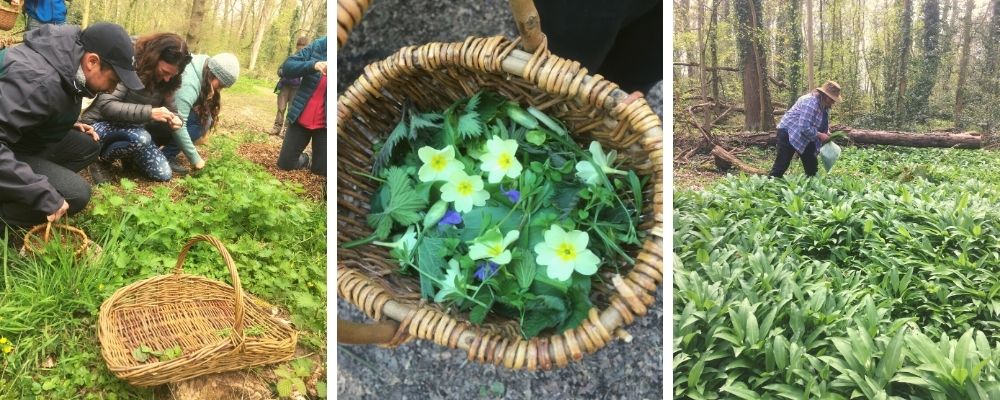
Explore wild plants that you can eat in your local patch. Join us for a guided walk through a range of landscapes on the hunt for the best wild foods that spring has to offer. Gain confidence in foraging and learn how to use these wild plants in your own cooking.

Edible wild plants are often viewed with suspicion and thought to be bitter or tasteless, only to be eaten as a last resort. But to the forager, our woodlands and hedgerows are full of tasty and filling wild food opportunities.

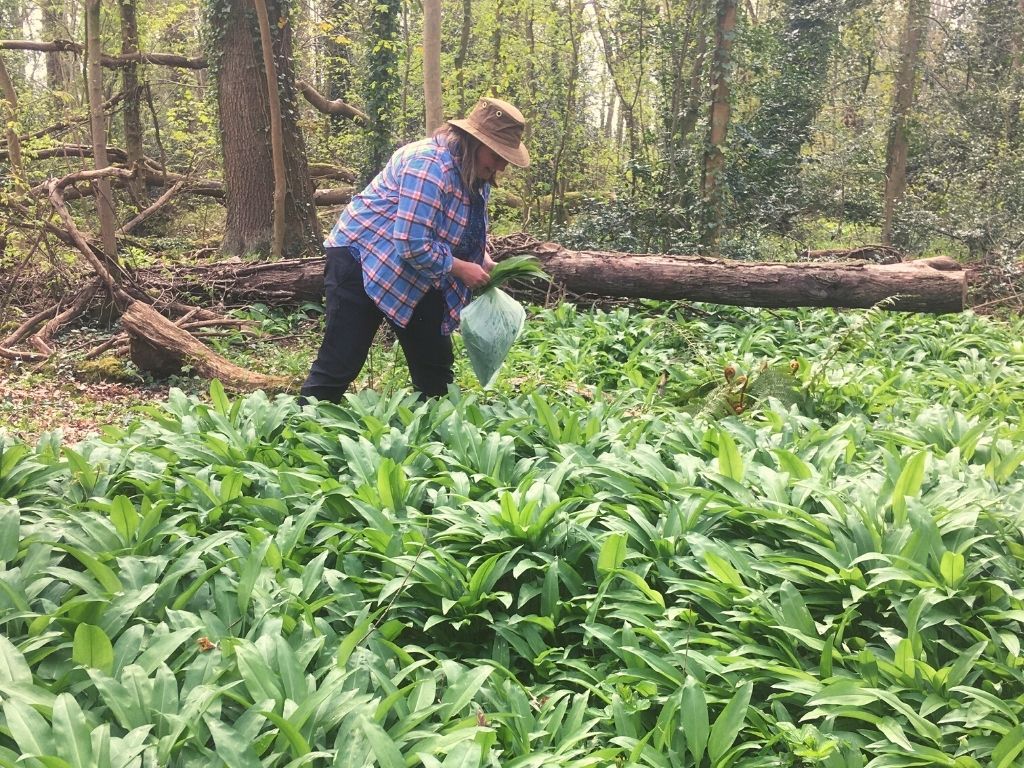
You’ll be taking a half day ramble along the hedgerows and forest on the hunt for “food for free” all set against the backdrop of mixed woodlands and open uplands of Longwood Community Woodland, with 325 acres of wild space to explore. Don’t forget to bring your own basket or bag to grab some wild edibles to take home.

  • Take a guided foraging walk through the woods, meadows & hedgerows
  • Gain confidence in identifying a variety of edible plants
  • Discover medicinal uses for seasonal wild plants
  • Get a copy of our Spring Foragers Guide
  • Learn how to forage with a sustainable approach to the habitat
  • Understand the law and your rights when foraging
  • Discover which wild edibles have poisonous lookalikes

Event details

Date: Sat 4 May  2024

Time: 10am – 1pm

Venue: Long Wood Community Woodland

Cost: £25

spring foraging and wild food walk

Your Tutors: Lea & James Kendall

James is the Head Bushcraft Instructor at Woodland Classroom, having worked in environmental education & conservation for over 10 years. James’ approach to teaching  steers his students toward fostering a deeper connection with nature through understanding the landscape around us; “Bushcraft skills are an effective way to do this as we learn how to make use of natural materials and live lightly with the land, whilst also connecting with our own ancient past by seeing the land through the eyes of our ancestors.”

Lea is a qualified Counsellor and Mindfulness in a Woodland Setting practitioner. She is a firm believer in the power of nature to be therapeutic for everyone. Lea is an active forager, passionate about how we can use common plants for both food and medicine. She enjoys making her own tinctures and medicinal remedies for treating common ailments.

james and lea kendall - outdoor education tutors

Skills you will learn

Over the course of the programme you will learn a range of skills, including…

null

Reading the Landscape

null

Hedgerow Medicine

null

Tree & Plant identification

null

Hedgerow Foraging

Book now

This walk costs £25 per person and is open to adult learners aged 16 years and over. You can read our Event Terms & Conditions here.

Spring Foraging Walk

Walk the wild food trail & discover foraging

Explore wild plants that you can eat in your local patch. Join us for a guided walk through a range of landscapes on the hunt for the best wild foods that spring has to offer. Gain confidence in foraging and learn how to use these wild plants in your own cooking.

Edible wild plants are often viewed with suspicion and thought to be bitter or tasteless, only to be eaten as a last resort. But to the forager, our woodlands and hedgerows are full of tasty and filling wild food opportunities.

You’ll be taking a half day ramble along the hedgerows on the hunt for “food for free” all set against the backdrop of mixed ancient woodlands, parkland and open meadows of the National Trust’s Erddig estate & gardens, with over 400 acres of wild space to explore. Don’t forget to bring your own basket or bag to grab some wild edibles to take home.

  • Take a guided foraging walk through the woods, meadows & hedgerows
  • Gain confidence in identifying a variety of edible plants
  • Discover medicinal uses for seasonal wild plants
  • Enjoy a wild tea taster
  • Learn how to forage with a sustainable approach to the habitat
  • Understand the law and your rights when foraging

Event details

Date: Sat 26th April 2025

Time: 10am – 1pm

Venue: Erddig

Cost: £30

spring foraging and wild food walk

Your Tutor: Lea Kendall

Lea is a qualified Counsellor and Mindfulness in a Woodland Setting practitioner. She is also the co-creator of Your Wild Food Year, an extensive online course in foraging for wild foods.

Lea is a firm believer in the power of nature to be therapeutic for everyone. Lea is an active forager, passionate about how we can use common plants for both food and medicine. She enjoys making her own tinctures and medicinal remedies for treating common ailments.

Lea Kendall, Nature Therapist and Mindfulness in Nature Practitioner

Skills you will learn

Over the course of the programme you will learn a range of skills, including…

null

Reading the Landscape

null

Hedgerow Medicine

null

Tree & Plant identification

null

Hedgerow Foraging

Book now

This walk costs £30 per person and is open to adult learners aged 16 years and over. You can read our Event Terms & Conditions here.

medicinal mushrooms workshop

The Transformative Power Of Medicinal Mushrooms (Online Workshop)

Uncover the Amazing World of Medicinal Mushrooms & Their Power To Heal

Join one of the world-leading authorities on this fascinating subject as we rediscover ancient knowledge about how medicinal mushrooms can be used to improve our health, boost our immune system and feed our bodies microflora.

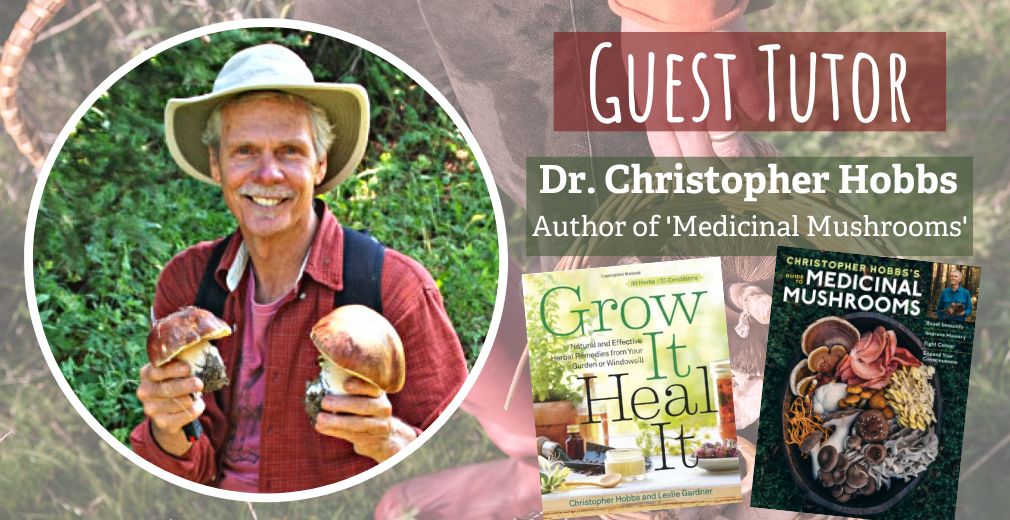
This is a subject that is fast growing and our guest tutor Christopher Hobbs is at the forefront of this movement. He is the author of Medicinal Mushrooms: The Essential Guide which has been described as; “Nothing less than a masterpiece. The authoritative resource on medicinal mushrooms for anyone seeking to enhance physical and mental health.”

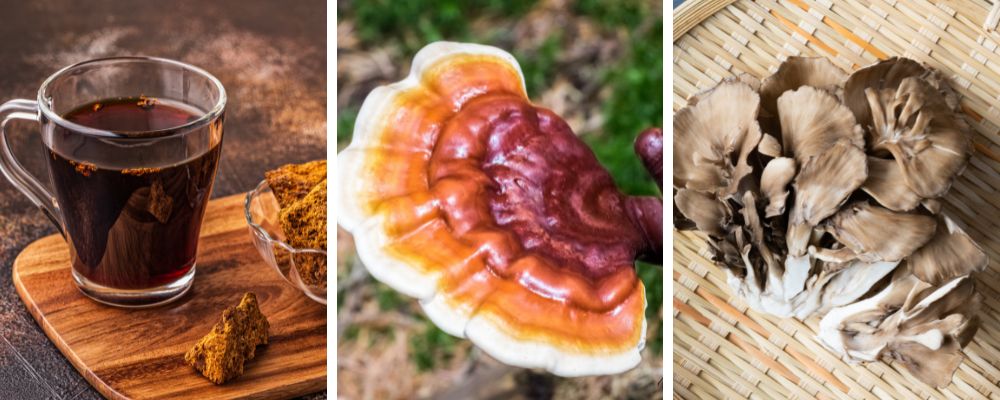
Medicinal mushrooms can boost immunity, fight cancer, improve memory, stop infection and expand your consciousness. Anyone can learn to forage them and use them at home for a host of health benefits. The good news, they are growing in the woods all around us.

You will learn how to identify medicinal mushrooms growing wild, how to harvest them and how you can use them at home.

The workshop is aimed at anyone who wants to find natural solutions to improving their own health and wellbeing as well as those already interested in wild food foraging.

A ticket costs just £11 per household. These events are selling out quickly, so grab your place whilst you can 🙂 Everyone has loved these workshops so far and they’ve been really popular.

YOUR WORKSHOP INCLUDES:

* How Mushrooms Can Boost Your Health

* Identifying Medicinal Mushrooms in the Wild

* Top Mushrooms in Depth

* Cooking with Medicinal Mushrooms

* Special Guest Tutor: Christopher Hobbs, author of Medicinal Mushrooms: The Essential Guide

* Q&A Session: put your questions to Dr. Hobbs

The workshop will last 1hr 30 mins and will be hosted via Zoom.

If you cannot make the workshop on the night, we can send you a recording of it afterwards.

Our online foraging workshops started in the first lockdown and have continued to be a hit ever since, as people want to learn how to make tasty meals from the wild plants around them. Each month we host online workshops with a whole host of nature-based subjects including foraging, tree lore, woodcraft skills and wild medicine.

HOW TO BOOK – VERY IMPORTANT!

The cost is £11 per household. So, feel free to cram as many family members around the screen as you can 🙂

Once you have your ticket, we will follow up with an email on the day of for you to register for the Zoom meeting, following which you will receive the Zoom meeting link and entry password. So, look out for that.

Please note, tickets are non-refundable.

Event details

Date: Nov 22, 2022

Time: 7:00 pm – 8:30 pm

Venue: Zoom Meeting

Cost: £11

christopher hobbs guest tutor

Your Tutor: Dr. Christopher Hobbs

We are excited to be welcoming a leading authority on this fascinating subject to lead this special workshop for you. Dr. Christopher Hobbs is a fourth-generation, internationally renowned herbalist, licensed acupuncturist, author, clinician, botanist, mycologist, and research scientist with over 35 years of experience with herbal medicine.

He is the author of Medicinal Mushrooms: The Essential Guide, and has written over 20 books on herbal medicine.

Christopher has a doctorate from UC Berkeley in phylogenetics, evolutionary biology and phytochemistry. He is also a founding member of the American Herbalists Guild.

You can find out more about Dr. Hobbs great work right here: https://www.christopherhobbs.com/

James and Lea from Woodland Classroom will also be on hand to host proceedings and field your questions throughout the workshop.

Dr. Christopher Hobbs
the transformative power of medicinal mushrooms

Skills you will learn

During this workshop you will learn a range of skills, including…

null

Nature Connection

null

Hedgerow Medicine

null

Ancestral Skills

null

Hedgerow Foraging

Book now

This workshop costs just £11 per household and is open to anyone. Children are welcome to attend with their families, though please note the content will be taught at an adult level. You can read our Event Terms & Conditions here.

Spring Foraging Walk

Walk the wild food trail & discover foraging

Explore wild plants that you can eat in your local patch. Join us for a guided walk through a range of landscapes on the hunt for the best wild foods that spring has to offer. Gain confidence in foraging and learn how to use these wild plants in your own cooking.

Edible wild plants are often viewed with suspicion and thought to be bitter or tasteless, only to be eaten as a last resort. But to the forager, our woodlands and hedgerows are full of tasty and filling wild food opportunities.

You’ll be taking a half day ramble along the hedgerows on the hunt for “food for free” all set against the backdrop of mixed ancient woodlands, parkland and open meadows of the National Trust’s Erddig estate & gardens, with over 400 acres of wild space to explore. Don’t forget to bring your own basket or bag to grab some wild edibles to take home.

  • Take a guided foraging walk through the woods, meadows & hedgerows
  • Gain confidence in identifying a variety of edible plants
  • Discover medicinal uses for seasonal wild plants
  • Enjoy a wild tea taster
  • Learn how to forage with a sustainable approach to the habitat
  • Understand the law and your rights when foraging

Event details

Date: Sat 2nd May 2026

Time: 10am – 1pm

Venue: Erddig

Cost: £30

spring foraging and wild food walk

Your Tutor: Lea Kendall

Lea is a qualified Counsellor and Mindfulness in a Woodland Setting practitioner. She is also the co-creator of Your Wild Food Year, an extensive online course in foraging for wild foods.

Lea is a firm believer in the power of nature to be therapeutic for everyone. Lea is an active forager, passionate about how we can use common plants for both food and medicine. She enjoys making her own tinctures and medicinal remedies for treating common ailments.

Lea Kendall, Nature Therapist and Mindfulness in Nature Practitioner

Skills you will learn

Over the course of the programme you will learn a range of skills, including…

null

Reading the Landscape

null

Hedgerow Medicine

null

Tree & Plant identification

null

Hedgerow Foraging

Book now

This walk costs £30 per person and is open to adult learners aged 16 years and over. Children are welcome to attend if accompanied by an adult, though bear in mind that the course content is not aimed at children – get in touch to find out more. You can read our Event Terms & Conditions here.

Spring Foraging Walk

Walk the wild food trail & discover foraging

Explore wild plants that you can eat in your local patch. Join us for a guided walk through a range of landscapes on the hunt for the best wild foods that spring has to offer. Gain confidence in foraging and learn how to use these wild plants in your own cooking.

Edible wild plants are often viewed with suspicion and thought to be bitter or tasteless, only to be eaten as a last resort. But to the forager, our woodlands and hedgerows are full of tasty and filling wild food opportunities.

You’ll be taking a half day ramble along the hedgerows on the hunt for “food for free” all set against the backdrop of mixed woodlands, wetlands and open meadows of Park In The Past, with 120 acres of wild space to explore. Don’t forget to bring your own basket or bag to grab some wild edibles to take home.

  • Take a guided foraging walk through the woods, meadows & hedgerows
  • Gain confidence in identifying a variety of edible plants
  • Discover medicinal uses for seasonal wild plants
  • Enjoy a wild tea taster
  • Learn how to forage with a sustainable approach to the habitat
  • Understand the law and your rights when foraging

Event details

Date: Sun 28 April, 2024

Time: 10am – 1pm

Venue: Park in the Past

Cost: £30

spring foraging and wild food walk

Your Tutor: James Kendall

James is the Head Bushcraft Instructor at Woodland Classroom, having worked in outdoor education & conservation for over 10 years. James’ approach to teaching steers students toward fostering a deeper connection with nature through understanding the landscape around us; “Bushcraft skills are an effective way to do this as we learn how to make use of natural materials and live lightly with the land, whilst also connecting with our own ancient past by seeing the land through the eyes of our ancestors.”

In 2017 James received the Bushcraft Competency Certificate awarded through the Institute for Outdoor Learning after 2 years of teaching experience and practical study. He is also a member of the IOL Bushcraft Professional Practise Group. The group aims to promote best practice in the growing industry of bushcraft activity providers.

james kendall - bushcraft & foraging tutor

Skills you will learn

Over the course of the programme you will learn a range of skills, including…

null

Reading the Landscape

null

Hedgerow Medicine

null

Tree & Plant identification

null

Hedgerow Foraging

Book now

This walk costs £30 per person and is open to adult learners aged 16 years and over. You can read our Event Terms & Conditions here.

Spring Foraging Walk

Walk a wilder way of living

Discover the food growing wild all around you and awaken the ancient knowledge of the hedgerow.

Long before supermarkets and garden centres, people knew their local landscape intimately. They knew which young spring leaves could be eaten, which plants could flavour a meal, which herbs had traditional medicinal uses, and where to find an abundance of food growing completely wild.

Much of that knowledge has been forgotten, but the plants are still here.

Join us for a half-day guided spring foraging adventure through the beautiful woods, meadows, parkland and hedgerows of the National Trust’s Erddig estate. Together, we’ll go on a wild food treasure hunt, discovering some of the very best edible plants that spring has to offer.

You may be surprised by just how much food is hiding in plain sight.

We’ll introduce you to a variety of seasonal wild plants, showing you how to identify them confidently, what parts can be eaten and how they can be used in everyday cooking. Along the way, you’ll also hear about traditional uses, folklore and some of the medicinal properties associated with our native plants.

Foraging isn’t about surviving on bitter weeds or eating strange plants as a last resort. Once you know what you’re looking for, the hedgerows can provide fresh greens, herbs, flavours, teas and ingredients that can transform the way you see the countryside.

The aim of the walk is to give you the confidence to begin recognising these plants for yourself, so that future walks through your local woods and hedgerows become opportunities to gather ingredients, reconnect with the seasons and rediscover a skill our ancestors once took for granted.

Edible wild plants are often viewed with suspicion and thought to be bitter or tasteless, only to be eaten as a last resort. But to the forager, our woodlands and hedgerows are full of tasty and filling wild food opportunities.

You’ll be taking a half day ramble along the hedgerows on the hunt for “food for free” all set against the backdrop of mixed ancient woodlands, parkland and open meadows of the National Trust’s Erddig estate & gardens, with over 400 acres of wild space to explore. Don’t forget to bring your own basket or bag to grab some wild edibles to take home.

  • Hunt for some of spring’s best wild edible plants
  • Learn how to identify wild foods safely and confidently
  • Discover simple ways to use your finds in the kitchen
  • Explore traditional medicinal uses and plant folklore
  • Taste a seasonal wild herbal tea
  • Learn how to forage responsibly and sustainably
  • Understand the law surrounding wild food and your rights as a forager
  • Begin building the knowledge to forage independently on your own local patch

Set against more than 400 acres of woodland, meadow and historic parkland at Erddig, this is a relaxed and practical introduction to the wonderful world of wild food.

Bring a basket or bag if you would like to gather a few wild ingredients to take home — and come prepared to look at the hedgerows in a completely new way.

Once you learn to recognise food growing wild, an ordinary walk in the countryside never feels quite the same again.

Event details

Date: Sat 1st May 2027

Time: 10am – 1pm

Venue: Erddig

Cost: £37

spring foraging and wild food walk

Your Tutor: Lea Kendall

Lea is Co-Founder of Woodland Classroom, Founder of Rooted In Nature, and the creator of Your Wild Food Year, an online foraging course designed to help people build confidence in identifying and using seasonal wild foods throughout the year.

She is also a qualified Counsellor and Life Coach, Woodland Activity Leader and Mindfulness in the Woods practitioner, with a long-standing passion for helping people reconnect with nature in practical and meaningful ways.

For Lea, foraging is about much more than simply identifying edible plants. It is about rediscovering knowledge that was once part of everyday life, learning to recognise the abundance growing around us and developing a deeper connection with the seasons and the local landscape.

Through her courses, workshops and outdoor sessions, Lea loves helping people gain the confidence to use wild plants in their own cooking and everyday lives, while also exploring their traditional uses, folklore and connection to wellbeing.

Her approach is relaxed, practical and welcoming, with the aim of making foraging feel accessible rather than intimidating, and helping people realise just how much wild food is hiding in plain sight.

Lea Kendall, Nature Therapist and Mindfulness in Nature Practitioner

Skills you will learn

Over the course of the programme you will learn a range of skills, including…

null

Reading the Landscape

null

Hedgerow Medicine

null

Tree & Plant identification

null

Hedgerow Foraging

Book now

This walk costs £37 per person and is open to adult learners aged 16 years and over. Children are welcome to attend if accompanied by an adult, though bear in mind that the course content is not aimed at children – get in touch to find out more. You can read our Event Terms & Conditions here.

Social Share Buttons and Icons powered by Ultimatelysocial