Call us on: 07876 794098

Tag - bushcraft

how to identify trees in winter - free workshop

Kickstart Your Winter Tree ID Skills (FREE Online Workshop)

Learn to see the trees from the wood.

Want to boost your Tree ID skills in winter? Do you struggle to know your alders from your elders, your hawthorn from your blackthorn? Join our FREE workshop online and let us help you.

James Kendall, Bushcraft Instructor and author of The Complete Tree ID Course, will be hosting a live webinar workshop where you can learn tips & tricks to identifying a range of tree species here in the UK in the season of winter, when the trees don’t have their leaves on to help us recognise them.

We’re offering this workshop online to anyone and everyone who is interested in finding out more about the trees around them.

YOUR WORKSHOP INCLUDES:

* Recognising native & common tree species

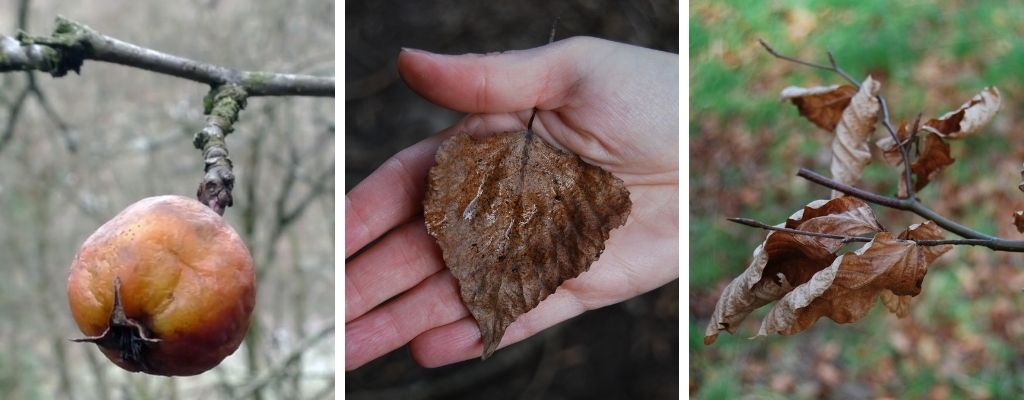
* Using buds, bark, leaf litter & other winter signs

* Get Tree ID cheat sheets to download

* Discover 3 key hacks to help identify any tree

* Book recommendations

* Join in our Q&A Session

The workshop will last 1hr and will be hosted via Zoom.


HOW TO BOOK

It’s FREE to join this workshop. So, all you need to do in advance is register for your free place in advance. Once registered you will be sent the link to the Zoom meeting via email.

REGISTER FOR YOUR PLACE HERE

Event details

Date: January 20, 2022

Time: 7:30 pm – 8:30 pm

Venue: Zoom Meeting

Cost: FREE!

kickstart your winter tree id skills

Your Tutor: James Kendall

James is the Head Bushcraft Instructor at Woodland Classroom, having worked in outdoor education & conservation for over 10 years. James’ approach to teaching steers students toward fostering a deeper connection with nature through understanding the landscape around us; “Bushcraft skills are an effective way to do this as we learn how to make use of natural materials and live lightly with the land, whilst also connecting with our own ancient past by seeing the land through the eyes of our ancestors.”

James previously manage the largest community woodland in Wales, 300 acres of mixed conifers and broadleaves and in 2017 James received the Bushcraft Competency Certificate awarded through the Institute for Outdoor Learning after 2 years of teaching experience and practical study. He is also a member of the IOL Bushcraft Professional Practise Group. The group aims to promote best practice in the growing industry of bushcraft activity providers.

james kendall - bushcraft & foraging tutor
win the complete tree id course

Become a Tree Expert

During this workshop you will also learn about our much more extensive online course; The Complete Tree ID Course. Go from clueless to confident on your journey to becoming a tree expert, featuring up to 35 species of native & common trees, all taught by James Kendall.

You will learn key principles of tree identification, which are easy to remember and can be applied to any tree you encounter. You will have videos, photo galleries and tree ID cheat sheets at your fingertips.

This course will take you through every native tree species in the UK in all 4 seasons; winter, spring, summer and autumn. You will learn not only how to identify trees by their leaves but also by their bark, buds, seeds & more.

We will be offering all attendees of this free workshop a special discount offer to sign up to the full course. So, if you want to know more, don’t forget to register for your place.

Skills you will learn

During this workshop you will learn a range of skills, including…

null

Reading the Landscape

null

Nature Connection

null

Tree & Plant identification

Understanding Habitats

Understanding Habitats

Book now

This workshop is totally FREE and is open to anyone. Simply follow the link to register for the workshop on Zoom and you will be sent the link so you can join the meeting.

how to identify trees in winter - free workshop

Kickstart Your Winter Tree ID Skills (FREE Online Workshop)

Learn to see the trees from the wood.

Want to boost your Tree ID skills in winter? Do you struggle to know your alders from your elders, your hawthorn from your blackthorn? Join our FREE workshop online and let us help you.

James Kendall, Bushcraft Instructor and author of The Complete Tree ID Course, will be hosting a live webinar workshop where you can learn tips & tricks to identifying a range of tree species here in the UK in the season of winter, when the trees don’t have their leaves on to help us recognise them.

We’re offering this workshop online to anyone and everyone who is interested in finding out more about the trees around them.

YOUR WORKSHOP INCLUDES:

* Recognising native & common tree species

* Using buds, bark, leaf litter & other winter signs

* Get Tree ID cheat sheets to download

* Discover 3 key hacks to help identify any tree

* Book recommendations

* Winter Tree Quiz

* Join in our Q&A Session

The workshop will last 1hr and will be hosted via Zoom.


HOW TO BOOK

It’s FREE to join this workshop. So, all you need to do in advance is register for your free place in advance. Once registered you will be sent the link to the Zoom meeting via email.

REGISTER FOR YOUR PLACE HERE

Event details

Date: December 6, 2023

Time: 7:30 pm – 8:30 pm

Venue: Zoom Meeting

Cost: FREE!

kickstart your winter tree id skills

Your Tutor: James Kendall

James is the Head Bushcraft Instructor at Woodland Classroom, having worked in outdoor education & conservation for over 10 years. James’ approach to teaching steers students toward fostering a deeper connection with nature through understanding the landscape around us; “Bushcraft skills are an effective way to do this as we learn how to make use of natural materials and live lightly with the land, whilst also connecting with our own ancient past by seeing the land through the eyes of our ancestors.”

James previously manage the largest community woodland in Wales, 300 acres of mixed conifers and broadleaves and in 2017 James received the Bushcraft Competency Certificate awarded through the Institute for Outdoor Learning after 2 years of teaching experience and practical study. He is also a member of the IOL Bushcraft Professional Practise Group. The group aims to promote best practice in the growing industry of bushcraft activity providers.

james kendall - bushcraft & foraging tutor
win the complete tree id course

Become a Tree Expert

During this workshop you will also learn about our much more extensive online course; The Complete Tree ID Course. Go from clueless to confident on your journey to becoming a tree expert, featuring up to 35 species of native & common trees, all taught by James Kendall.

You will learn key principles of tree identification, which are easy to remember and can be applied to any tree you encounter. You will have videos, photo galleries and tree ID cheat sheets at your fingertips.

This course will take you through every native tree species in the UK in all 4 seasons; winter, spring, summer and autumn. You will learn not only how to identify trees by their leaves but also by their bark, buds, seeds & more.

We will be offering all attendees of this free workshop a special discount offer to sign up to the full course. So, if you want to know more, don’t forget to register for your place.

Skills you will learn

During this workshop you will learn a range of skills, including…

null

Reading the Landscape

null

Nature Connection

null

Tree & Plant identification

Understanding Habitats

Understanding Habitats

Book now

This workshop is totally FREE and is open to anyone. Simply follow the link to register for the workshop on Zoom and you will be sent the link so you can join the meeting.

Spring Foraging Walk

Walk the wild food trail & discover foraging

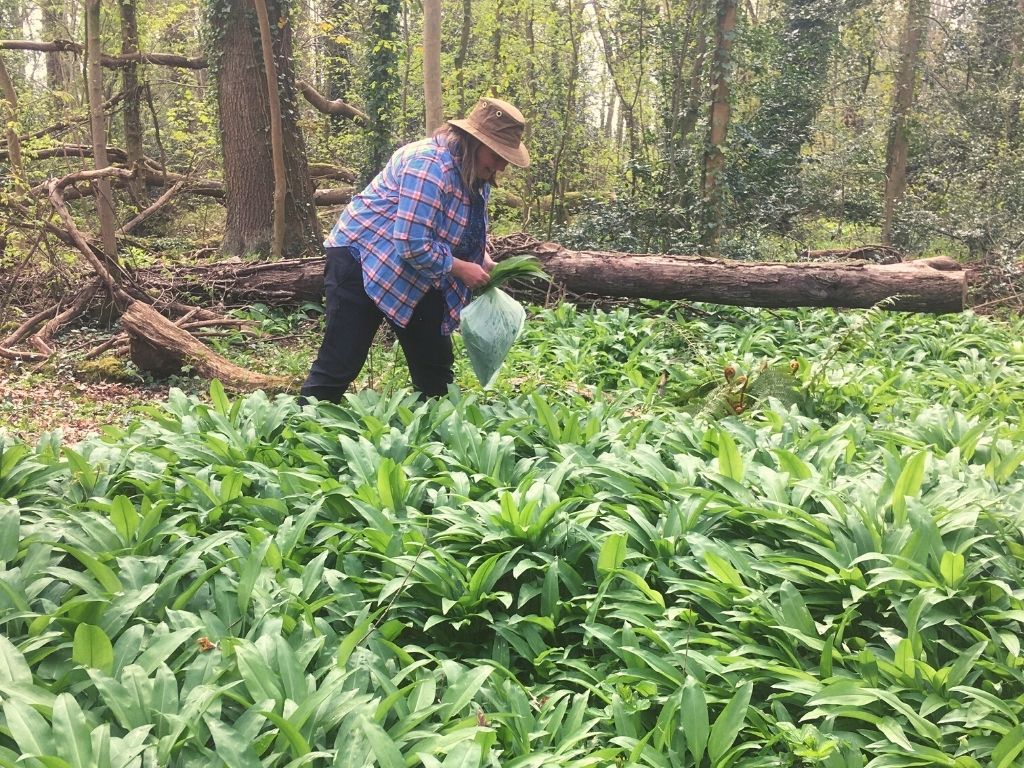
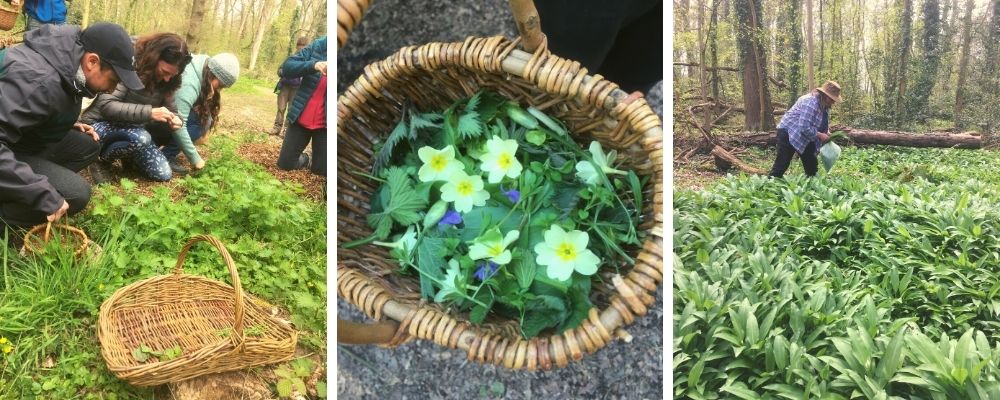
Explore wild plants that you can eat in your local patch. Join us for a guided walk through a range of landscapes on the hunt for the best wild foods that spring has to offer. Gain confidence in foraging and learn how to use these wild plants in your own cooking.

Edible wild plants are often viewed with suspicion and thought to be bitter or tasteless, only to be eaten as a last resort. But to the forager, our woodlands and hedgerows are full of tasty and filling wild food opportunities.

You’ll be taking a half day ramble along the hedgerows on the hunt for “food for free” all set against the backdrop of mixed ancient woodlands, parkland and open meadows of the National Trust’s Erddig estate & gardens, with over 400 acres of wild space to explore. Don’t forget to bring your own basket or bag to grab some wild edibles to take home.

  • Take a guided foraging walk through the woods, meadows & hedgerows
  • Gain confidence in identifying a variety of edible plants
  • Discover medicinal uses for seasonal wild plants
  • Enjoy a wild tea taster
  • Learn how to forage with a sustainable approach to the habitat
  • Understand the law and your rights when foraging

Event details

Date: Sat 2nd May 2026

Time: 10am – 1pm

Venue: Erddig

Cost: £30

spring foraging and wild food walk

Your Tutor: Lea Kendall

Lea is a qualified Counsellor and Mindfulness in a Woodland Setting practitioner. She is also the co-creator of Your Wild Food Year, an extensive online course in foraging for wild foods.

Lea is a firm believer in the power of nature to be therapeutic for everyone. Lea is an active forager, passionate about how we can use common plants for both food and medicine. She enjoys making her own tinctures and medicinal remedies for treating common ailments.

Lea Kendall, Nature Therapist and Mindfulness in Nature Practitioner

Skills you will learn

Over the course of the programme you will learn a range of skills, including…

null

Reading the Landscape

null

Hedgerow Medicine

null

Tree & Plant identification

null

Hedgerow Foraging

Book now

This walk costs £30 per person and is open to adult learners aged 16 years and over. Children are welcome to attend if accompanied by an adult, though bear in mind that the course content is not aimed at children – get in touch to find out more. You can read our Event Terms & Conditions here.

foraging & wild food walk in wales

Spring Foraging Walk

Walk the wild food trail & discover foraging

Explore wild plants that you can eat in your local patch. Join us for a guided walk through a range of landscapes on the hunt for the best wild foods that spring has to offer. Gain confidence in foraging and learn how to use these wild plants in your own cooking.

Edible wild plants are often viewed with suspicion and thought to be bitter or tasteless, only to be eaten as a last resort. But to the forager, our woodlands and hedgerows are full of tasty and filling wild food opportunities.

You’ll be taking a half day ramble along the hedgerows and forest on the hunt for “food for free” all set against the backdrop of mixed woodlands and open uplands of Longwood Community Woodland, with 325 acres of wild space to explore. Don’t forget to bring your own basket or bag to grab some wild edibles to take home.

  • Take a guided foraging walk through the woods, meadows & hedgerows
  • Gain confidence in identifying a variety of edible plants
  • Discover medicinal uses for seasonal wild plants
  • Get a copy of our Spring Foragers Guide
  • Learn how to forage with a sustainable approach to the habitat
  • Understand the law and your rights when foraging
  • Discover which wild edibles have poisonous lookalikes

Event details

Date: Sat 4 May  2024

Time: 10am – 1pm

Venue: Long Wood Community Woodland

Cost: £25

spring foraging and wild food walk

Your Tutors: Lea & James Kendall

James is the Head Bushcraft Instructor at Woodland Classroom, having worked in environmental education & conservation for over 10 years. James’ approach to teaching  steers his students toward fostering a deeper connection with nature through understanding the landscape around us; “Bushcraft skills are an effective way to do this as we learn how to make use of natural materials and live lightly with the land, whilst also connecting with our own ancient past by seeing the land through the eyes of our ancestors.”

Lea is a qualified Counsellor and Mindfulness in a Woodland Setting practitioner. She is a firm believer in the power of nature to be therapeutic for everyone. Lea is an active forager, passionate about how we can use common plants for both food and medicine. She enjoys making her own tinctures and medicinal remedies for treating common ailments.

james and lea kendall - outdoor education tutors

Skills you will learn

Over the course of the programme you will learn a range of skills, including…

null

Reading the Landscape

null

Hedgerow Medicine

null

Tree & Plant identification

null

Hedgerow Foraging

Book now

This walk costs £25 per person and is open to adult learners aged 16 years and over. You can read our Event Terms & Conditions here.

tree identification workshop online free

How To Identify Trees in Spring (FREE Online Workshop)

Learn to see the trees from the wood.

Want to boost your Tree ID skills this spring? Do you struggle to know your alders from your elders, your hawthorn from your blackthorn? Join our FREE workshop online and let us help you.

James Kendall, Bushcraft Instructor and author of The Complete Tree ID Course, will be hosting a live webinar workshop where you can learn tips & tricks to identifying a range of native and common tree species here in the UK.

Spring sees the countryside bursting with colour and life. The dormant buds of our trees transform with leaves, flowers and catkins emerging. There’s a lot to take in. Tree flowers come in all shapes and sizes, and some are so small you could walk right by them. But if we look closer we can understand the clues trees give us to unlock their identity and so much more. Like autumn this is a period of dramatic change. It’s a really interesting time to be out in the woods.

We’re offering this workshop online to anyone and everyone who is interested in finding out more about the trees around them.

YOUR WORKSHOP INCLUDES:

* Confidence in native & common tree identification

* Using flowers, young leaves, blossom, catkins and other spring signs

* Which trees have edible leaves & flowers in spring

* Get Tree ID cheat sheets to download

* Discover 3 key hacks to help identify any tree

* Get book recommendations

* Ask James your burning questions in our Q&A Session

* Get access to our FREE online course: Kickstart Your Tree ID Skills

The workshop will last 1hr and will be hosted via Zoom.


HOW TO BOOK

It’s FREE to join this workshop. So, all you need to do in advance is register for your free place in advance. Once registered you will be sent the link to the Zoom meeting via email.

REGISTER FOR YOUR PLACE HERE

Event details

Date: Tues 28th April 2026

Time: 7:30 pm – 8:30 pm

Venue: Zoom Meeting

Cost: FREE!

how to identify trees in spring

Your Tutor: James Kendall

James is the Head Bushcraft Instructor at Woodland Classroom, having worked in outdoor education & conservation for over 10 years. James’ approach to teaching steers students toward fostering a deeper connection with nature through understanding the landscape around us; “Bushcraft skills are an effective way to do this as we learn how to make use of natural materials and live lightly with the land, whilst also connecting with our own ancient past by seeing the land through the eyes of our ancestors.”

James previously manage the largest community woodland in Wales, 300 acres of mixed conifers and broadleaves and in 2017 James received the Bushcraft Competency Certificate awarded through the Institute for Outdoor Learning after 2 years of teaching experience and practical study. He is also a member of the IOL Bushcraft Professional Practise Group. The group aims to promote best practice in the growing industry of bushcraft activity providers.

james kendall - bushcraft & foraging tutor
win the complete tree id course

Become a Tree Expert

During this workshop you will also learn about our much more extensive online course; The Complete Tree ID Course. Go from clueless to confident on your journey to becoming a tree expert, featuring up to 55 species of native & common trees, all taught by James Kendall.

You will learn key principles of tree identification, which are easy to remember and can be applied to any tree you encounter. You will have videos, photo galleries and tree ID cheat sheets at your fingertips.

This course will take you through every native tree species in the UK in all 4 seasons; winter, spring, summer and autumn. You will learn not only how to identify trees by their leaves but also by their bark, buds, seeds & more.

We will be offering all attendees of this free workshop a special discount offer to sign up to the full course. So, if you want to know more, don’t forget to register for your place.

Skills you will learn

During this workshop you will learn a range of skills, including…

null

Reading the Landscape

null

Nature Connection

null

Tree & Plant identification

Understanding Habitats

Understanding Habitats

Book now

This workshop is totally FREE and is open to anyone. Simply follow the link to register for the workshop on Zoom and you will be sent the link so you can join the meeting.

mindfulness in nature on the BBC

Woodland Classroom on the BBC

We were recently interviewed and filmed by the BBC for the popular documentary series ‘The Why Factor.’ The programme asks the question’ “Why does nature calm anxiety?” The crew came to the ancient woods at the National Trust’s Chirk Castle estate in North Wales where Lea and James, of Woodland Classroom, run their Mindfulness & Bushcraft sessions, engaging all ages in nature connection. Here they experienced a Nature Therapy session, lead by Lea, a qualified Counsellor and Mindfulness in the Woods Practitioner. Next up, the crew got stuck into some practical bushcraft skills to bring to life their inner cave-people. We had a lot of fun during the recording.

Watch the short video on the BBC News website RIGHT HERE or via the link below.

You can listen to the programme RIGHT HERE.

Lea described her experience, “It felt great to be a part of the programme. There’s so much research coming out about the power of nature to heal us, with professionals and projects from all over the world reconnecting their clients with the wild places, I’m excited to be part of this movement. It truly feels like nature therapy’s time has come.” Lea believes that the antidote to stress is found through our connection to nature and that through this we can connect with others and with ourselves, building emotional resilience and community.

The official description of the BBC documentary reads;

“As the world grows more urban, humanity moves further away from nature. Could this be the reason anxiety has become the most diagnosed mental illness in the west? The idea of mindfulness is becoming more popular as the mainstream grows more aware of how panicked we all are. How are we tackling this issue? Jordan Dunbar dives into a niche of researchers and therapists who are learning about and treating the negative symptoms of urban life with a dose of nature.”

In the programme Lea takes the show’s presenter, Jordan Dunbar, on a taster Nature Therapy session where she convinces him on the power of walking barefoot on the earth. Later, James gives Jordan a crash-course in ancient bushcraft skills including firelighting by friction. This awakened Jordan’s inner cave-man as he learned how to make fire using only the natural materials he could find around him.

The programme’s presenter and producer, Jordan, has this to say, “The video was listed in the top 5 on the BBC News website over the weekend, making the front page of the BBC website and we had over half a million views on the BBC News Instagram! We’ve had great feedback on the radio doc already and it wouldn’t have been half as good without the sounds of the woodland and bushcraft!”

bbc filming lea kendall - counsellor

Lea is interviewed about the power of nature for improving mental health and well-being by the BBC.

SO, WANT TO JOIN US FOR A ‘MINDFULNESS & BUSHCRAFT’ EXPERIENCE?

If you like what you hear in the programme and the idea of not just getting away from it all for a weekend but actually coming away with real skills and techniques appeals to you then you’ll be happy to hear that Lea and James host immersive weekend workshops in Woodland Mindfulness & Bushcraft for adults which features activities such as: spoon carving, awakening your animal senses, crafting your own woodland getaway (mindful shelter building), breathing space meditations, natural navigation techniques, fox walking, traditonal fire-lighting techniques, foraging, wildflower identifcation and more.

The aim is not just to give you a couple of days from the rat race but to enable you to come away with new skills and techniques which you can use to be more mindful going forward and bring nature deeper into your life.

Our next Woodland Mindfulness & Bushcraft Weekend is taking place in September 2020. You can find full details RIGHT HERE. Book your place now for what promises to be a fantastic weekend. To find out more about our upcoming courses and events for all ages, check out our Events page.

We also take bookings from organisations and for events to deliver our nature connection workshops to groups. Get in touch if you’d like to know more.

We’d like to say a big thanks to Jordan Dunbar and the BBC crew for visiting us all the way up in North Wales, and for spreading our message that nature is a positive force for improved mental health and well-being. Also, we could not have had this opportunity without the kind permission of the staff at the National Trust’s Chirk Castle who we work in partnership with to deliver our programme of courses and workshops.

5 Program Activities all Camp Managers Need to Know About for 2019

5 Program Activities all Camp Managers Need to Know About for 2019

Planning your Summer Camp program for 2019? Struggling to come up with new and engaging ideas? Don’t worry, it can be a tricky process, especially when you want to incorporate original concepts to avoid doing the same old thing.

Between managing staff, organising logistics and marketing your camp, coming up with new program ideas can be challenging. We’re here to help, with our list of 5 activities to make summer camp memorable in 2019.

1. A Minecraft™ Inspired Outdoor Adventure

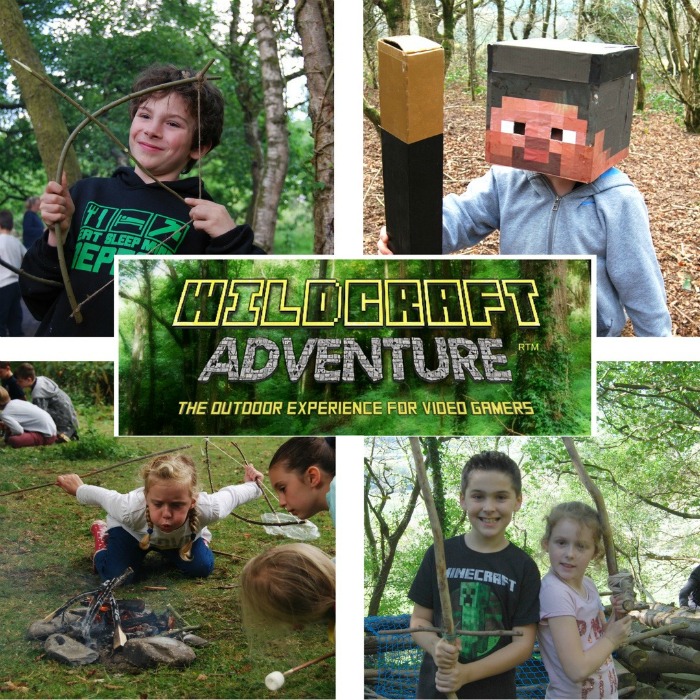
It’s the video game with over 91 million monthly players and a loyal cult following. Kids love it, so why not encourage them outdoors with a Minecraft™ themed adventure? Designed to get today’s digital generation off their screens and back outdoors, Wildcraft Adventure™ takes the best bits from the video game and transforms them into an outdoor experience they’ll never forget.

kids at summer camp on a minecraft inspired adventure

It’s a brand new way to engage the digital generation in the kind of outdoor adventures that us adults loved when we were kids. This game includes outdoor classics like den building, fire-lighting and scavenger hunts and combines them with video game elements like scoring points, beating monsters and gathering magical items – it’s like living in a real video game. Plus, players will have to use bushcraft, survival skills, teamwork and problem solving throughout.

“Wildcraft is the best activity we have ever found!”
Brenda Sutter, Laurel Tree Charter School, California

It’s designed to be as simple as possible for activity leaders to run with all the tools, resources and guides you need. Find all the details here or watch the video…

DISCOVER WILDCRAFT ADVENTURE PACKS HERE


2. Grab Your Lab Coat & Get Scientific

Kids love mystery and surprise so, creating original and interesting scientific experiments can be a real winner. You don’t need a physics degree make this happen either, just some common ingredients, clear instructions and the necessary safety precautions. Here’s a few cool ideas to get you started:

girl scouts doing science in the outdoors

3. If You Can’t Beat ‘Em, Join ‘Em: Host Themed Days

Yes, you may have done this a hundred times over – but, add a twist and the kids will love it. Get together with your camp counselors and have a think about recent kids movies and trends. From Deadpool and Marvel to Disney and Lego – there’s always a new craze you can get on board with.

host themed days at summer camp

Whether you decide to hold a fancy dress day or create activities based on a theme – the options are endless. You can also easily add educational elements in like languages, geography and performing arts.

4. Incorporate Mindfulness

Mindfulness and wellbeing are hot topics for adults at the moment, so why shouldn’t it be for kids too? With the modern pressures of social media and the internet, children need to learn the power of mindfulness just as much as adults. Schools across the US are increasingly incorporating it into the curriculum through a range of activities, so here’s how you can do it at summer camp too:

Combine Mindfulness with Bushcraft

This practice combines nature and ‘rewilding’ to help kids reconnect with the outdoors. By assisting with nature conservation and learning bushcraft survival skills, there are proven benefits that kids’ mental health can improve from the experience.

mindfulness & bushcraft with kids

Practising bushcraft requires children to adopt a mindful approach to their actions as patience, awareness and concentration are all key to mastering activities like knife craft and ancient fire-lighting.

Pair Up Mindfulness and Yoga

Not only does yoga enhance stability and focus, it also aids relaxation and mental wellbeing. Plus, it’s a great way to take a break between daily activities and inject some calm into your program.

Mindfulness and Meditation

Whether you decide to do a seated, walking or guided meditation, it can have a surprising impact on behaviour and mental wellbeing for kids. Here’s a handy article from the ACA (American Camp Association) on how to get started.

child meditating in the outdoors

“Kids are accustomed to using their senses to experience life. They look, touch, smell, and even taste their way through the world. This natural inclination toward mindfulness makes teaching kids to meditate easier than we thought. In fact, it’s a no-brainer.” Laurie Palagyi

Mindfulness and Roleplay

Get the kids to become the animals that live in the woods! Why not use roleplay to introduce kids to mindfulness through engaging them with nature? Check out our handy video on how to use animals as a starting point for practising mindfulness in nature. It’s proven to work with kids and adults.

“Animal Form Games invite participants to empathize with animals, to imitate their attitudes, and, to the best of their human-bodied ability in the throes of a game, practice animals ways of moving.” Coyote’s Guide to Connecting with Nature

5. Get Creative with Campfire Cooking

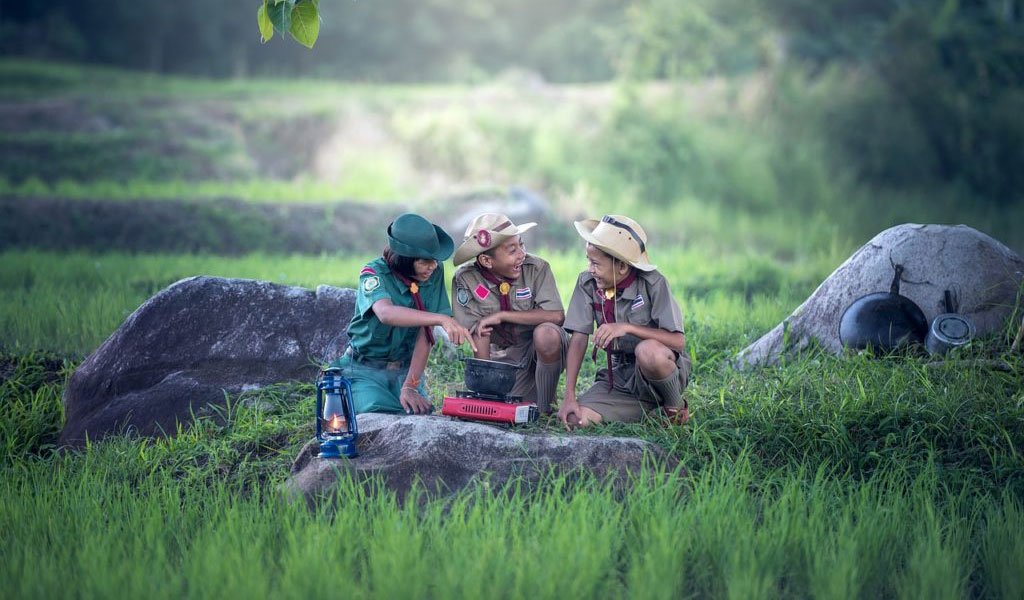
New flavours and foods can be a real treat for kids. Explore world foods, host a mini street food festival and at the same time enhance outdoor cooking skills with new and original recipes. No need to go gourmet with this one, simple yet tasty will be a winner every time.

summer camp - alternative campfire cooking ideas for food

Here’s a few delicious ideas to add you to your Summer Camp program for 2019:

Smores recipes

Sourced from: https://i.pinimg.com

To Sum Up…

Hopefully, these activities will give you food for thought when putting that all-important program together. If you’re still stuck for ideas though, head to Pinterest which offers a goldmine of tips, tricks and activities, perfect for camp.

If you’re interested in the Wildcraft Adventure™ but aren’t 100% sure about how to implement it, contact us here and we’ll be more than happy to give you all the details you need.

DISCOVER WILDCRAFT ADVENTURE PACKS HERE

In the meantime, happy planning!

James and Lea Kendall from Woodland Classroom

James & Lea Kendall are the creators of Woodland Classroom. “Through our passion, enthusiasm and experience we help people connect with nature, feel healthier and have meaningful experiences through positive activity and creative play.”

“We are experienced outdoor educators with a background in bushcraft, forest school and nature therapy, who love what we do.”

forest school and outdoor education in wrexham, north wales

WOODLAND CLASSROOM LANDS IN WREXHAM!

We have some VERY exciting news! We are finally able to announce that we’ve gone into partnership with the National Trust at Erddig Hall & Gardens and Chirk Castle, both in the county of Wrexham. What this means is that James and Lea are moving Woodland Classroom up to Wrexham and from September we will be able to bring all our existing popular outdoor clubs, as well as some new ones, to children in the area and offer our outdoor education services to audiences in North Wales, Cheshire, Shropshire, Merseyside and beyond.

James explained his connection with the area; “I’m originally from this neck of the woods where I worked a lot with environmental organisations in Cheshire and North East Wales, so this feels like coming home and I’m really excited about this opportunity we have with the National Trust who have made us very welcome and have been totally onboard with all the ideas we have to offer our activities in the area.”

Our new base of operations will be Felin Puleston Outdoor Centre, which lies on the edge of the Erddig estate on the doorstep of Wrexham town. It’s a great location for locals to be able to access it easily and is currently also the home of the National Trust’s GAP (Green Academies Project) funded by the Lottery which has seen lots of new energy and restoration work go into Felin Puleston with a host of improvements to the venue which makes it perfect for visiting groups who want to learn more about nature.

felin puleston outdoor centre

Our new home at Felin Puleston, Wrexham. Kids building dens with us. The vegetable garden where kids can learn how to grow their own.

We feel incredibly lucky to have full access to this tailor-made venue. The Outdoor Centre includes an allotment for growing vegetables, a wildlife garden, orchard, den building area, indoor function room and kitchen for craft workshops and classroom sessions, and of course the beautiful 1,200 acre Erddig estate which lies on the other side of the gate for the children and groups to explore.
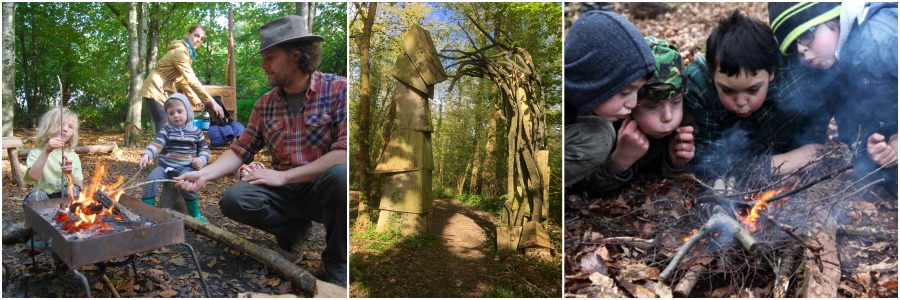
forest school in wrexham

Our Little rangers parent & toddler group. The entrance to Forest Wood at Erddig. Boys learning fire-lighting skills at our sessions.

We also have the River Clywedog on our doorstep along with a wildlife pond both home to a wealth of water life which means that activities like pond and river dipping are going to be very much on the menu.

Susan Jones is the Volunteer & Community Involvement Manager at Erddig;

“We are delighted to be working in partnership with Woodland Classroom.  Providing enjoyable and meaningful experiences in the outdoors helps us to connect with nature, improve our mental and physical wellbeing and value the world around us so we can continue to care for special places like Chirk Castle and Erddig, forever for everyone.”

outdoor activities for children erddig wrexham

Erddig Hall & Gardens. This stunning National Trust property sits at the doorstep of Wrexham town.

In addition to making the most of the Outdoor Centre, we’re going to be able to welcome groups of all ages to Forest Wood, a beautiful forest school site based in the heart of Erddig’s ancient woodland. Think tall trees, wild garlic and woodland wildflowers. It’s a fantastic spot for woodland learning.

About Woodland Classroom
wildcraft adventureSo, who are we? Well… James and Lea have been running Woodland Classroom in Lampeter, Ceredigion since 2014 where they have hosted schools, organisations, adult learners, after-school clubs and kids birthday parties with a range of outdoor activities including; bushcraft, forest school, traditional woodland crafts, mindfulness and CPD training. All of this and more will now be offered at our new home.

They are also the creative minds behind the hugely popular Wildcraft Adventure™ which takes kids’ favourite video games like Minecraft and transforms them into outdoor adventures that engage children in a host of physical challenges and bushcraft skills which score them point along the way, just like a real video game. There’s even a monster to run away from! It’s been so popular that outdoor activity leaders across the world are nor running the game; from California to Scotland, from New Zealand to Canada. James and lea are planning many more Wildcraft Adventures at their new Wrexham home for the near future.

Woodland Classroom are members of the Institute for Outdoor Learning and Forest School Wales.
james kendall - profile picJames Kendall

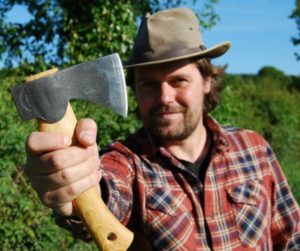
James is a qualified Forest School Leader, Social Forester and experienced Woodland Skills Tutor. He has worked widely with children, young people and adults, leading on a variety of outdoor education and environmental projects. He has worked for several well-known environmental organisations and was also Project Manager for Long Wood Community Woodland, the largest community owned woodland in Wales, overseeing management of 300 acres of forest. He enjoys working with schools and communities to raise awareness of the environment, where his enthusiasm for spreading the message of learning through nature comes through. Lastly, but not least, he is currently undertaking a 2 year long course to become a bushcraft skills activity leader with the Bushcraft Competency Certificate scheme run through the Institute for Outdoor Learning.

“As a child, my Mum would bring me and my sister to Erddig and Chirk Castle where our imaginations could run wild with all sorts of play. I never thought I’d get the opportunity to actually work here and it seems fitting that I’ll now be able to offer outdoor adventures and learning for kids coming to these National Trust properties.”

lea kendall - counsellor and life coachLea Kendall

Lea has years of experience working with children and young people, including 4 years working in a primary school as a Learning Mentor focusing on the social and emotional aspects of learning and working one to one with vulnerable children and challenging behaviour. She shares her time leading activities for Woodland Classroom with my work as a qualified integrative Counsellor. Lea is also a qualified practitioner of Mindfulness in woodland settings.

“I am a firm believer in the power of nature to be therapeutic for everyone. I believe that play for all ages should be a large part of our lives. My training as a Counsellor worked toward my long-term goal to incorporate nature and play therapy into our future services. I am passionate about finding ways to increase the self-esteem of people and encouraging motivation through positive experience, shared enthusiasm and a nurturing environment.”

Lea is now offering the first of her planned nature therapy courses with two Mindfulness events for adult learners scheduled for this autumn. See our events page to find out more.

We Can Also Travel To You

Not every group who wants our services has been able to travel to us though, and for some schools such travel can be a costly or complicated business, so we’ve always offered the option for us to come to your school or venue and we have hosted many Forest School and bushcraft sessiosn on school grounds, at events, or anywhere that wants us really. Want to know more? Just get in touch.

outdoor kids club in wrexham, north wales, forest school

About our Outdoor Kids Clubs

Little Rangers is a weekly woodland parent and toddler group for children aged up to 5 years which follows the Forest School approach of child-led play and outdoor activities in a welcoming natural space. Activities are based around our central campfire and tots can get stuck into the mud kitchen, build a den, explore the wood or do some campfire cooking. Sessions are also a chance for like-minded parents to meet and share time together whilst their children are at play.

Young Rangers is our weekly after-school club for primary school aged children from 6 – 11 years. Parents drop their kids off with James and Lea where children will get the chance to play off steam after a day in school and take part in guided activities including bushcraft, outdoor games, crafts and campfire cooking.

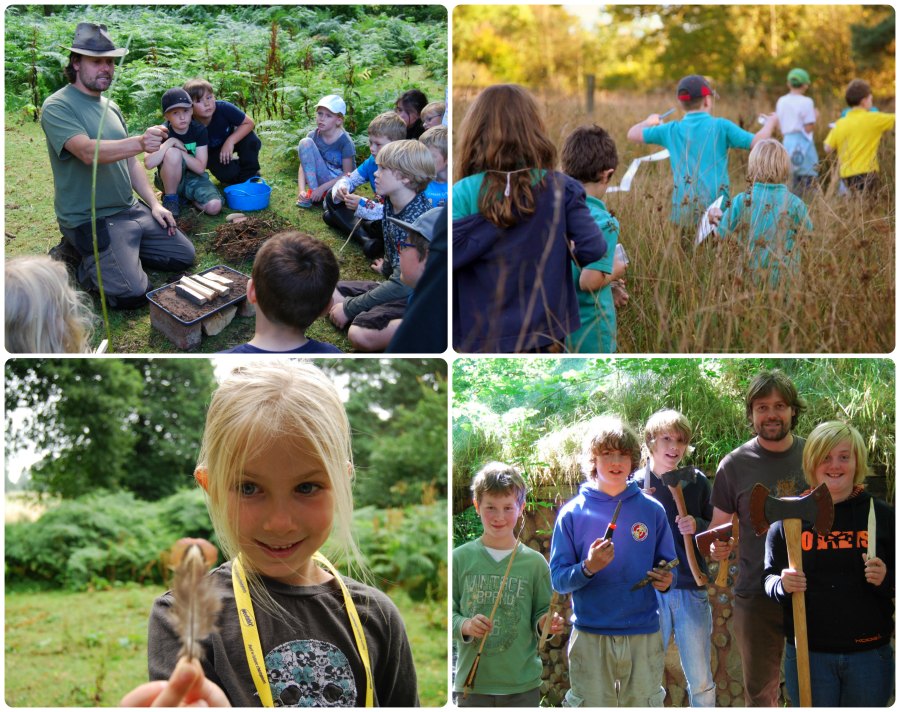
Pathfinders is brand new to Woodland Classroom, a regular group for Home Educated children and their families. It’s something we’ve been wanting to offer for a long time, and we’ve been asked my Home Ed parents time and again if we could do this. Our move to Wrexham has offered the perfect opportunity for it to start. Sessions will be fortnightly and children from 0-16 will be able to join either our Forest School group where they can engage in child-led play and outdoor activities, or they can join our structured learning sessions where they will get quality tuition from James or Lea in environmental education, bushcraft and traditional woodland craft skills.

We’re hosting a taster session for Pathfinders on Tuesday 22nd August which is half-price for children and adults to come and see for themselves how this new club will work. If you’d like to find out more about the taster session, just CLICK HERE.

To find out more about our new kids clubs based at Erddig, and to take advantage of ‘early bird’ booking discounts just follow THIS LINK.

family fun day in the woods

Even More Opportunities at Chirk Castle

forest school circle at chirk castle

The ‘woodland classroom’ amongst the ancient trees of the Chirk Castle estate.

Wrexham county is quite unique in that it hosts two major National Trust venues just within 15 minutes drive of each other. Not only will be offering our services to groups at Erddig but just down the road is the equally amazing Chirk Castle with it’s 480 acres of gardens and estate including deer parkland and ancient woodland. It’s a perfect venue for outdoor learning and we’re looking forward to getting stuck in and welcoming groups to our sessions.

Jon Hignett is the Visitor Experience Manager at Chirk Castle for the National Trust;

“We first started working with Woodland Classroom in April 2015 when our estate was used as the venue for their very popular Wildcraft Adventure sessions, using the clever template of explorer/builder type video games to engage with children in the outdoors. We could see from the first meeting that it would be a popular activity, and it has been a very effective partnership allowing experienced professionals to use Chirk Castle’s estate to help to move, teach and inspire young visitors and connect them with the outdoors at a young age. We’ve collaborated on a few projects since then, and throughout James and Lea have been wonderful to work with, positive, engaging, and committed. We’re eagerly looking forward to what future collaborations might bring!”

outdoor activities at chirk castle

Chirk Castle & Gardens, hosts over 480 acres of parkland estate within which we will be running our outdoor events.

What the Future Holds

Not only will we be offering our tried and tested activities for children, our the plan is to expand our work with adult learners also, making Felin Puleston Outdoor Centre a real hub for environmental education for all ages. We plan to offer training to adult learners in the following subjects:

Bushcraft, Tree Identification, Greenwood Crafts, Woodland Management, Mindfulness, Eco Therapy, Nature Awareness, Foraging and Leathercraft.
outdoors home ed group in wrexham

So, it’s exciting times for Woodland Classroom and we can’t wait to meet all the new people we will be working with.

Right, that’s enough typing for now… we’ve got a whole house full of stuff to move.

If you’d like to find out what we could offer you or your group at Woodland Classroom, then please get in touch. You can email us at hey@woodlandclassroom.com or phone James and Lea on 07876 794098.


campfire in thailand cave

My Bushcraft Journal: Part #4 The Deeper Jungle

Another day of jungle trekking was upon us; water scorpions, bats, deep caves, slingshots and knife work were all ahead on the trail. We were making our way toward the Thamtaralod Forest Park in Northern Thailand, not far from the border with Myanmar (Burma). The park is famous for it’s cave, which would be the highlight of our adventure.

huge jungle tree

Our guide Ting, explained the route… sort of, and we set off from the hill tribe village, giving our thanks for the fresh breakfast of mango, rice and greens we’d enjoyed. This morning we were joined by Djoe, whose family had hosted us the night before. Also joining us was Dham who must be in his early twenties and far fitter than me. Each of them carried their own machete, rather than being kept in a leather sheath as we would back home, they wrapped their prized tools in cloth and stuffed this into their belt. Later on that day, we’d get the chance to see that these tools were not just for hacking and slashing but could be put to fine whittling work in skilled hands.

Soon into our trek I spotted some dead tree stumps which had been hacked into with a machete. Ting explained that this was where local people were searching for burrowing grubs, deep inside the deadwood. These grubs were a valued food source. Thankfully, we didn’t find any ourselves, so I was spared the embarrassment of having turn one down.

Much of our route today would take us along the river, with plenty of opportunities to cool off. The water was warm and refreshing, with shoals of little fish darting in and out of the rock cover. I noticed our hill tribe guides were naturally very aware of their surroundings, always looking about them, ever alert, where as I found myself looking down at my feet more often than not to ensure a steady footing. Djoe and Dham moved with much more confidence though and I watched them scanning the tree tops, with an eye for opportunity. These guys were naturally suited and adapted to their environment, just a quick look at the muscles on their legs was testament to that, shaped by years of walking up and down the steep jungle paths.

walking along the river
Our youngest guide stopped and pulled out a simple slingshot from his pocket. Grabbing a few river pebbles he started launching the stones at a target high up in the trees above him. Ting told me this was an ants nest and these ants were another potential food source. Whether it was the young grubs or the ants themselves that Dham wanted I wasn’t sure. Either way, after a few attempts, he gave up and the ants were left to continue their daily lives. The opportunity to try the slingshot for myself was to good to pass up though, so we had some fun doing target practise at a tree across the river.

We stopped for our mid morning break and our guides unwrapped their machetes and started work whittling away some fresh (green) bamboo. They were making chopsticks, ready for our lunch later and as I’d brought my own knife along I wanted to give it a go. I found bamboo easy to carve and we made short work of the chopsticks, including a few fine details here and there. However, whilst I was using my small Swedish whittling knife, our guides were using their much larger machetes and getting the same (if not better) results which shows how in the right hands this large tool can be used for fine work. I guess it shows that when you’re in the jungle you don’t want to be carrying multiple tools around. As the old saying goes, “The more you know, the less you need.”

making chopsticks

Whittling fresh bamboo to make chopsticks. My Swedish knife versus their machetes.

It was a real treat to watch this simple craft being done by local people in such a natural setting and I was looking forward to seeing their bushcraft in action again later as we were going to need to fashion some torches ready for exploring the cave toward the end of our journey.

beautiful streamWhilst cooling off my toes in the river, I spotted what looked like a water scorpion, with pincers just large enough to give my little toe a nip. Ting grinned, saying “they could give you a nasty bite” but with the look on his face I think he was having me on. Best to play it safe though, time to move on. We came across a tree that Ting cut a small slice from, telling us that the bark is used locally as a medicine, boiled in a tea. Or you could chew the bark to release the medicine. It tasted bitter and reminded me of how willow was used in our past for similar purposes. Willow bark contains a chemical similar to aspirin. Whilst walking I’d noticed Djoe heading off trail here and there to inspect dead bamboo trees, he was clearly searching for the right one. After a few non-starters he hacked into one and selected a length to take with him. The reason for this would become clear later.
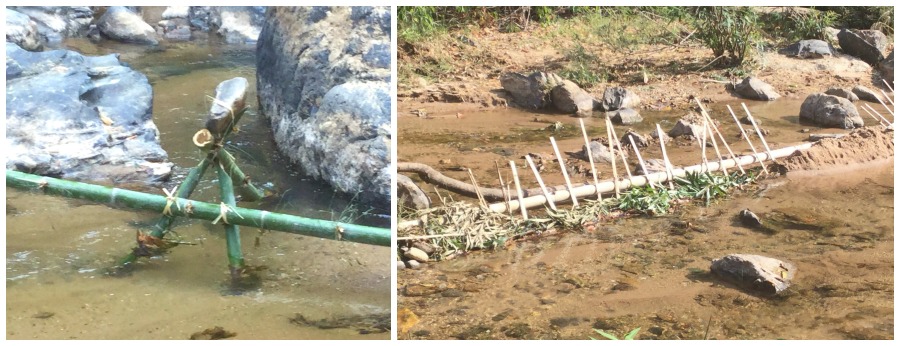
Here and there along the river’s length I saw the remains of what looked like simple bamboo frames spanning the width of the river. I asked Ting what these were and he explained that the local people had made fish traps. Having built a bamboo fence across the river, earth would then be piled up to block the river flow. Downstream the river would temporarily dry out so that fish could be picked easily from the mud. Once the catch was done, the river would be unblocked. I wondered if the the bamboo frames get used more than once? That would explain why they’d been left in-situ.

fish traps on the river

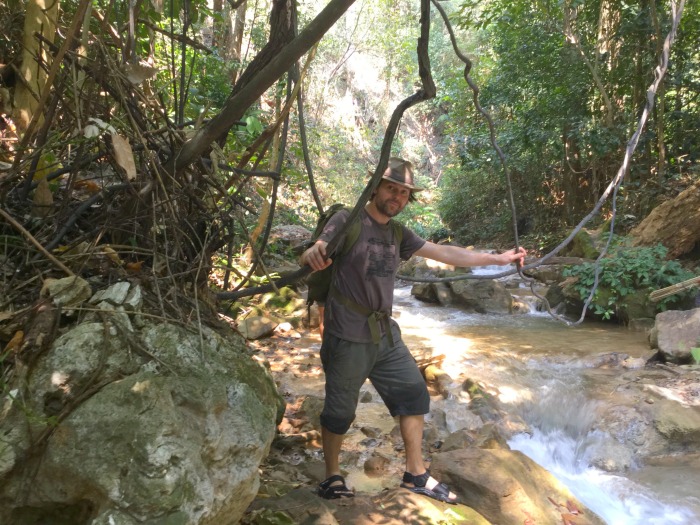
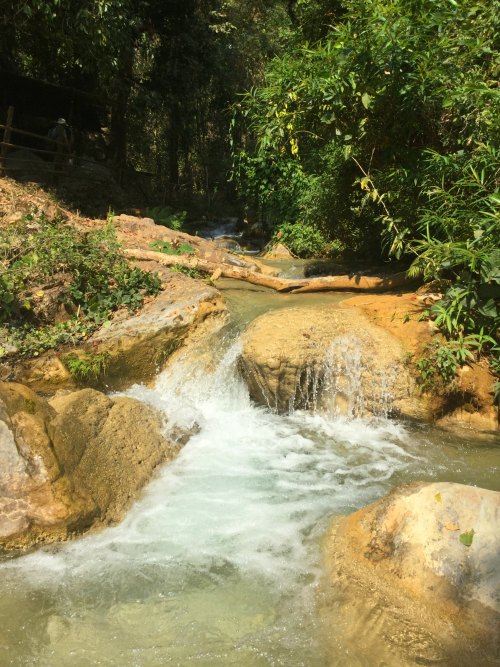
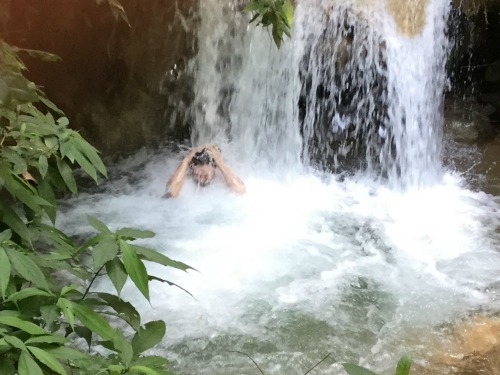
cooling off in a jungle waterfallAfter some hopping from boulder to boulder and crossing precarious fallen logs over the rushing river water we reached a little patch of paradise… a small waterfall, complete with natural swimming pool. This is the stuff that old Bounty chocolate commercials were made of. We stripped off and enjoyed the cool water, trying our best to ignore the large spiders suspended in webs not far above us – I never saw them on a Bounty advert. Seriously though, it doesn’t get much better than this, being able to enjoy this special place, with river water just the right temperature. Exactly what you need after half a day’s hike in the tropical heat.

There was another surprise waiting for us when we finished our dip, lunch was served, wrapped in banana leaves. Rice with tofu and greens, cooked fresh that morning. Time to use our chopsticks and see if mine were up to scratch. I’m pleased to say they performed well, though whether I was doing it entirely right, who knows? Dessert was fresh pineapple – which of course over here tastes so much better than what you can buy at home. This was true of all the fruit on our Thailand travels.

jungle food

Our guides had kept these treats well stashed, seemingly producing them from nowhere. Bamboo once again showed off it’s versatility, this time as a drinking cup.

Rested, fed and watered we set off to find the highlight of the trip, the Thamtaralod Cave, complete with bats and rushing water. On our way we stopped at another beautiful location, a bamboo camp. This place was used by trekking groups taking longer trips. We were just passing through but it was great to see how the structure was put together, highlighting again the amazing properties of bamboo as a building material. Being naturally cylindrical it’s very strong and being hollow it’s light to carry. Even the young bamboo shoots can be used for food. I might start calling bamboo the tree of a thousand uses. It seems to be intrinsically linked with the history and way of life of the local people. We stopped at the camp for a short while to make preparations for entering the cave. This is where I got to see some real bushcraft in action.

It was time to put the dead bamboo rod, that Djoe had carried with him, to good use. Ting explained that they would be making bamboo torches which would be lit to explore the cave safely. This explained why the bamboo needed to be dead, so it was dry and took a flame easily. Our guides set to work with their machetes splitting the lengths of bamboo into thin sticks. I had a go myself and once again the bamboo responded very well, being easy to split and running straight. I’ve split hazel rods before for hurdle-making  back home but this task was much easier. The broad nature of the machetes also aided easy splitting as a quick twist of the blade would encourage the dry wood to split down it’s length, without the need to cut much further into the wood.

bushcraft bamboo torch collageSplit sticks were then bundled together and these bundles were tied together using natural cordage. This was more bamboo, but fresh and green this time, which had been soaked in the river. I imagine the soaking served one or both of these jobs; to make the cordage flexible for us and/or to help prevent the flames from burning through the cordage once it was holding the torch together.

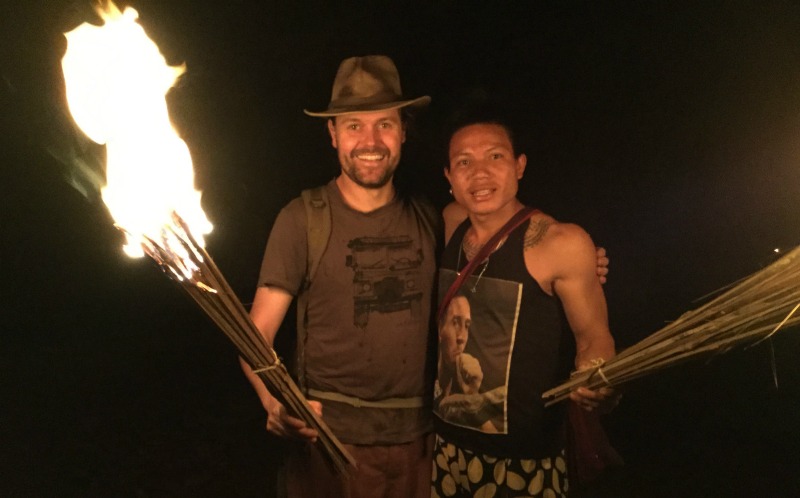
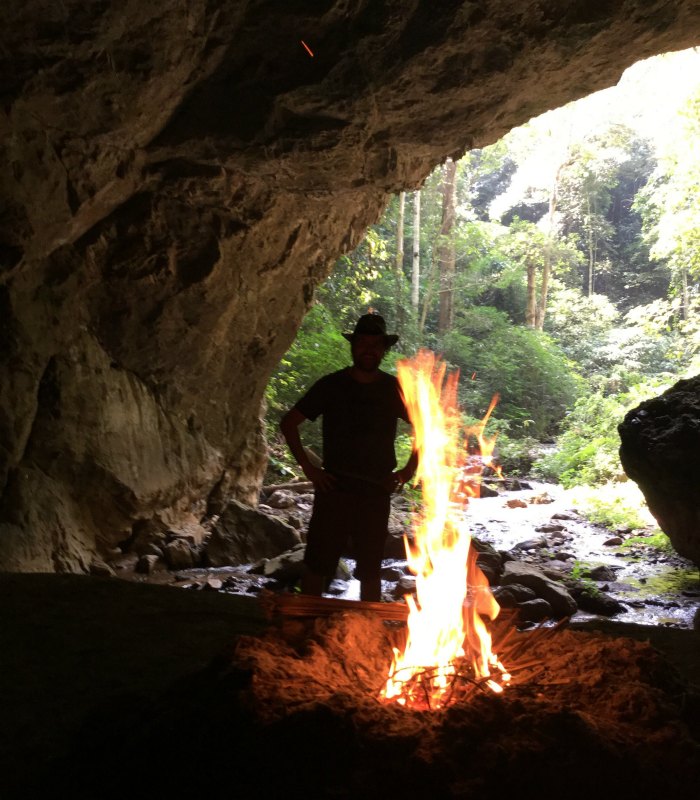
Setting off again, torches over our shoulders, it wasn’t long before we came to the cave entrance, and it was an impressive site. The river flowed out of the base and sound of the rushing water could be heard coming from the dark depths within. We could not see any light inside, so who knows how long the cave was. Ting told us that bats roost above among the stalactites and we could see the evidence of their droppings on the cave floor below. Time to use the torches!

lighting bamboo torches

Lighting up the bamboo torches at the entrance to the Thamtaralod Cave.

They lit easily and gave off a steady flame, burning for the good 20 minutes it took to reach the other cave side. Plunging into the cave with a flaming torch, whilst deep in the jungle has got to be an Indiana Jones moment if ever there was one – I was in my element and grinning from ear to ear. The cave roof was high above us, so the smoke wasn’t a problem. The main hazard was watching where you put your feet as the rushing water covered treacherous rocks and ledges – so we took it slow. Any points I gained for looking cool whilst brandishing a flaming bamboo torch in a jungle cave would have been swiftly lost if I stumbled and snuffed it out in the dark water. I loved it all though , and felt like an explorer discovering a brave new world.

torches in the caveWe made our way around another rocky bend, then we could see the light at the other end of the tunnel, which revealed a huge cave opening bigger than my house. The bamboo torches were brought together and placed in an old fire pit which gave us some more light to see by. We sat down for a rest on a large ledge within the cave mouth. As we took in the scenery around us it struck me how people from ages past must have used this place as shelter and refuge. The ledge was large enough to accommodate many people and the fireplace our torches flickered away in sat on a raised bowl of earth, and I wondered whether this was a recent addition or something that had been formed by our guides ancestors generations before. Between the fresh water supply, the fish that were abundant in the river, the bamboo growing all round us and the shelter the cave provided I thought this must have been a place where native peoples had lived in the past. I should have asked our guides, but I was too caught up in the moment.

beautiful jungle cave chamberIt was time to say farewell to Djoe and Dham, whilst Ting would lead us up the final hill toward our waiting vehicle. Our guides for the day waved farewell and took their bamboo torches back into the depths of the cave. The image of the flicker of red flame against the natural rock will stay with me for a long time.

our jungle trek guides

Our three guides, taking a well earned break at the fireside. Thanks for sharing your knowledge and skills with us.

Our final trek up the hill was a bit of a scorcher in the afternoon heat, with little shelter as more trees had been cut back in this area to make way for rice fields and grazing. The signs of human habitation were definitely showing again. The final give away was the pick up truck waiting for us at the top of the hill… a welcome sight by that time I must say. After a very bumpy and dusty ride in the truck, we pulled up for a cool Chang beer in a roadside cafe. As you can imagine, it tasted great.

campfire in thailand caveThanks to our guides Ting, Djoe and Dham for answering all my endless questions and letting me get stuck into the activities. Thanks also to Pooh Eco Trekking for a great experience that I won’t forget. I’ve loved exploring the jungle, if only for a brief time, but it’s also made me feel eager to get back to my native broadleaf woods and get stuck into bushcraft over the coming spring and summer. I know where I belong and my heart lies in the woods of Britain… plus the spiders are much smaller there.

Thanks for reading.

end of jungle trek

Tired, sweaty and ready for a cool beer, at the end of our jungle odyssey. We won’t forget this beautiful place.

James is currently studying a 2 year programme to become a recognised Bushcraft Instructor. He is aiming to gain a Bushcraft Competency Certificate through the Institute for Outdoor Learning. As part of his training he must keep a portfolio of his own learning and experience, successes and failures. This online Bushcraft Journal is a part of that record. His goal is to not only to have a great time learning a host of new outdoor skills but also to then apply these skills to his work so that he can offer better bushcraft experiences with Woodland Classroom to both adults and children, which he hopes will inspire them too.

bushcraft jungle trek adventure

My Bushcraft Journal: Part #3 Into The Jungle

Cobras, rattlesnakes, giant spiders, termites, exploring caves, tasting strange foods – all part of my two day jungle adventure in Northern Thailand. Whilst on holiday with Lea (actually, our honeymoon) I wanted to get out into the wild and see the jungle up close…. so we discovered Pooh Eco Trekking who have a great range of trips that worked alongside the local Karen hill tribe, including them as guides and hosts, so providing an income for them from eco-tourism. Our trek would take us close to the border with Myanmar (formerly Burma) through rivers, caves, villages, steep slopes and winding pathways. I wanted to go on the trek, not only to prove to myself that I could do it but also to experience a taste of the jungle and also see how the local hill tribe peoples lived in this environment and hopefully some of their traditional (though still very relevant) bushcraft skills for myself.

thailand jungleIt was 2 hour drive from Chang Mai to get to our dropping off point and if the craziness of the driver was anything to go by, the next couple of days would be filled with unpredictability. I’m not sure whether he thought his minivan was in fact a race car but he certainly drove like it was, weaving in and out of traffic and over-taking on blind corners. Our guide (Ting) seemed to take it all in his stride, so I assumed this driving was business as usual. As we climbed through the mountains to ever higher ground I noticed the broadleaf jungle gave way to scatterings of pine trees as our altitude increased. Then as we came down into valleys again, the number of pines would decrease again. I hadn’t expected to see such trees here at all. Despite our unpredictable driver, we got there in one piece, if a little shaken.

karen hill tribe weavingWe hopped into a pick up truck to take us down a bumpy track to a village which would mark the start of our jungle trek proper. Here we saw timeless Karen hill tribe crafts in action as a lady demonstrated the weaving of traditional Karen dress for women. The skirt she was weaving would take 2 weeks of constant work to complete. The colours in the cloth were almost garishly bright, reds, blues and yellows, which in Britain would look well out of place, but here they were beautiful.

Pulling my backpack on, we began what would be 3½ hours of trekking to our hill tribe homestay. We started down well worn paths which passed fields which had been cleared for the jungle using controlled fires. These areas were being made ready for the coming wet season when crops such as rice and corn could be planted up, growing in just 3 months, ready for harvest. It was the dry season now so there was less plant life on the jungle floor. We passed the occasional group of cows, bells clanking to give their location away to the farmers. I bet it would be easy to lose something as big as a cow in the jungle. Overhead we passed a few giant spiders (as big as your hand) sitting, suspended in their large webs between trees. I gave them a wide berth… I’m not the biggest fan of our eight legged friends.

bushcraft jungle trek

Beautiful, clear waters running through the jungle, friendly local wildlife and our intrepid explorer.

I also noticed something that was very familiar to me from back home. I spotted trees that had been cut down at their base and allowed to regrow again as multi stems, with rods reaching straight up to the sky. I hadn’t expected to see coppicing here. Coppicing is the traditional woodland management practise in which a sustainable crop of underwood can be produced for a variety of uses (from greenwood crafts to charcoal production). Our guide told us that the locals were harvesting the wood here for firewood on a regular rotation. In addition bamboo was being coppiced to produce straight rods of a useful diameter for building projects. The bamboo was allowed to grow on to a manageable size. All this cutting work was done by hand tools, much with the machete, which here is called simply “mid” the Thai word for knife. It was great to see this sustainable harvesting process in action in a place where it was truly relevant and thriving.

bushcraft jungle trek in thailand

Amazing, huge trees which keep growing all year round. Sustainable woodland management, jungle style, with coppicing for firewood and building material.

It was about this time that our guide spotted something we’d all missed, a cobra, hunting in and out of holes in the ground which had been burrowed by some small mammal. This was no small snake and I admit I felt a little sorry for the furry victim that would no doubt soon be on the receiving end of the hunt. But, that’s nature for you.

Another traditional woodland practise I saw was ring-barking, where a standing tree is stripped of it’s bark right around the trunk at chest level. With the life giving sap travelling through the outer layers of a tree this kills the tree and leaves a standing dead skeleton. This can be a useful practise (if done correctly) in Britain for creating standing dead wood to increase wildlife biodiversity. here though it had a more practical purpose… to create seasoned firewood that would stand and dry in the woodland, ready to be felled when needed. I imagine that this is something that was done in our country also back in medieval times and earlier.

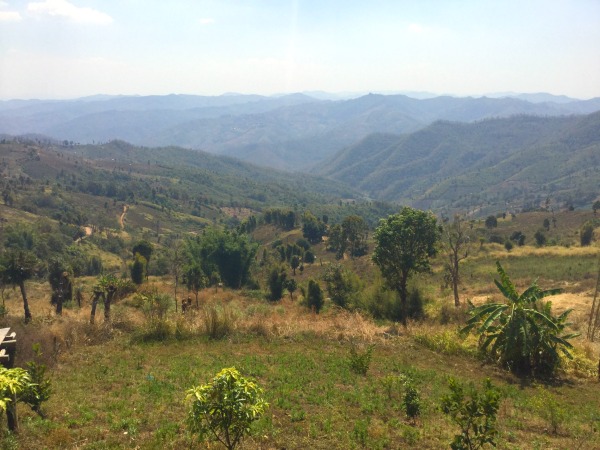
The whole jungle seems browner and drier than I expected, even considering the season, but as we approached the valley floor everything became more lush and as I’d expect a jungle to look, you can blame Hollywood for that fixed vision in my head. As we turned a corner we came across a huge termite mound! Standing higher than me and feeling very solid, it’s amazing to think that such vast structures can be built by something so small. I’m very glad we don’t have termites in the UK as the damage they do to wood is impressive, if a little worrying. You’ve got to wonder at the awesome power of nature though.

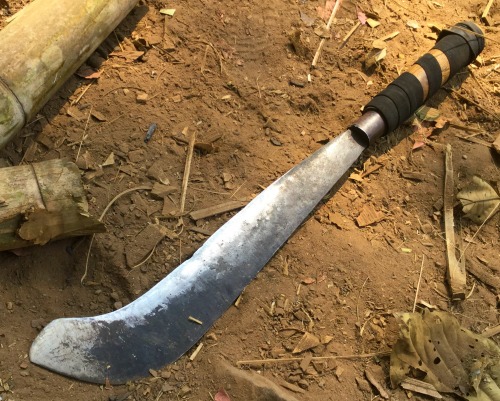
jungle machete bushcraft

In the words of Crocodile Dundee… “now that’s a knife.”

Our guide had stopped ahead of us again, but this time I knew this meant there was something interesting to see. He’d heard a rattlesnake and seen it slither off away from the path as we approached. I imagine it would be so easy to be inches away from any animal (dangerous or not) and not know it was there, as the jungle is so dense away from the well trodden paths and many creatures are well camouflaged. I tried to remember the advice of Ray Mears in a programme of his I’d watched years ago… did he say “don’t step on a log incase you disturb the snake underneath it” or was it “step on the log so that you disturb any snake before you step on it” I honestly couldn’t remember… typical!

We came to the river at the base of the valley and I was able to cool my feet off in the water, which was very welcome. As I took a rest, I spotted a plant that looked very familiar growing near the riverbank. It looked like an oversized four leaf clover and I though it might be Wood Sorrel, which is edible and tastes like sour-apple – I love it. Asking our guide it turned out not to be Wood Sorrel but was also edible. It tasted like a salad leaf, and he said that’s how they used it.

jungle hill tribe river workshop

The remains of a riverside workshop where a machete has been hard at work. The beautiful river wound through the bottom of the steep sided valley.

Walking along the cool riverbed, with steep sided jungle walls climbing either side of us gave me the feeling of being nestled in the womb of the Earth, life was everywhere. This seemed more like the wild jungle and wilderness I had in my mind when I booked this trek. But looking around there was also plenty of signs of how the local people were living with the land. Remnants of a make-shift riverside workshop for crafting on-the-spot tools. Bamboo rods grew either side of the riverbank and there were plenty of splintered canes which were leftovers from previous activity. We also came across the remains of old campfires, with only the charred embers as sign. There was no modern litter though, as you might find in a similar situation back home, and that was heartening to see.

Eventually we arrived at our hill tribe homestay, a small village sitting on the hillside – to be honest I couldn’t tell you where it was. We met a few of the older villagers and one man proudly showed off his traditional tattoos across his upper legs. Our Guide also told us that they have these intricate designs all around their groin also, but the old man didn’t show us that… thankfully. These tattoos are done using a bamboo needle. I was starting to see how important the bamboo was to the local people here, it had so many uses.

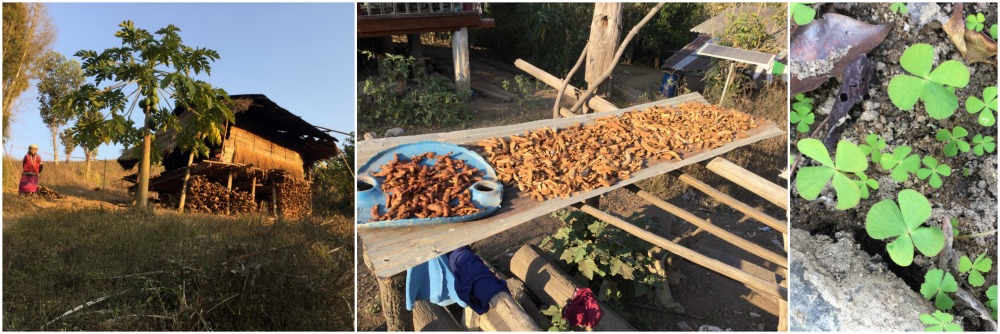
I watched a local girl with her mother picking seed pods from high up in a tree using a very long hook. They were harvesting tamarind which has a few uses including the flesh as a flavouring in food, added to curry pastes. The shell is used to add to tobacco in hand-made cigarettes and the flesh can also be made into a glue. Having tried the raw tamarind I can tell you it tastes like sour-apple sweets, and is very strong. I actually quite liked it. Once harvested from the tree the flesh would be separated from the shells where they would all be laid out to dry on racks in the sun before being processed.

bushcraft jungle trek hill tribe village

A typical house in our host’s village. Drying tamarind out in the sun. Familiar shaped plants aren’t always what they appear to be.

Our host for the evening was Djoe and his family. The company that organise the treks have a close relationship with the local Karen hill tribe and have an arrangement that families will take it in turns to host trekkers and so payment for the service gets spread evenly through the village. Also, it turned out that Djoe would be joining us as an additional guide for day two of the trek.

hill tribe homestayTheir simple house had a central fireplace, the hub of the home. I noticed hanging on the wall a fine collection of machetes, which any bushcrafter would be envious of. Smoke drifted out of smoke-holes in the roof and as we rested before being served dinner I enjoyed how quiet everything was. No traffic noise here.

Our well-earned dinner included a delicious spicy minced fish, a very spicy soup, steamed rice, cabbage in soy and pumpkin. The food was simple and excellent. After being well-fed and watered all that was left was to watch the sun go do
wn behind the neighbouring mountain as the sounds of the millions of jungle insects rose around us. I think we’d definitely use the mosquito net tonight.

In the second part of my account of the jungle trek we would have a whole host of new adventures and experiences including exploring a river cave with flaming torches crafted from bamboo – which was pretty special. You can read all about those adventures very soon.

Thanks for reading.

James

jungle sunset

Sunset looking from the house of my hill tribe homestay. The end of a great day.

James is currently studying a 2 year programme to become a recognised Bushcraft Instructor. He is aiming to gain a Bushcraft Competency Certificate through the Institute for Outdoor Learning. As part of his training he must keep a portfolio of his own learning and experience, successes and failures. This online Bushcraft Journal is a part of that record. His goal is to not only to have a great time learning a host of new outdoor skills but also to then apply these skills to his work so that he can offer better bushcraft experiences with Woodland Classroom to both adults and children, which he hopes will inspire them too.

Social Share Buttons and Icons powered by Ultimatelysocial