How Nature Heals
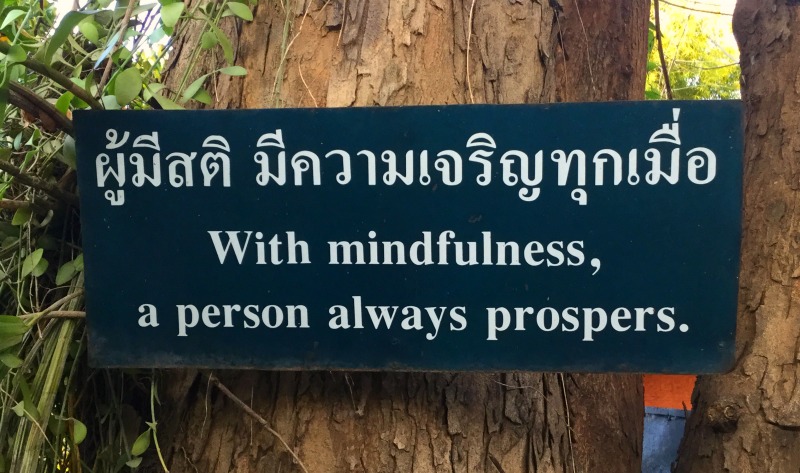
 Nature heals us, builds new connections and improves our mental health. Many of us know this instinctually, that walking in woodland is somehow good for us, at the very least we know it helps us to relax. There are also now many scientific studies that provide evidence of why woodlands and forests are so beneficial to human health… aside from the obvious production of life-sustaining oxygen of course 😉 What I’d like to talk about though is my own personal experiences and how practising mindfulness outdoors and hedgerow medicine has enriched my life, and how it could benefit you too.
There have been a whole range of positive differences, on top of an improved state of mental health, that have manifested in my life since practicing Mindfulness in the Woods. My anxiety levels have been much reduced after a difficult period, which I’ll explain in more detail later. I also find I am eating a more plant-based diet and have discovered a renewed passion for natural remedies and herb lore. My knowledge of tree & wildflower identification is getting much better and I am also considering my daily impact on the planet more than ever; I’m buying products without palm oil, reducing my waste and buying more organic foods from small local businesses. My latest venture is lacto-fermentation, an ancient way of preserving whilst increasing the nutritional value of wild foods and vegetables. I no longer eat intensively farmed meat or dairy produce. In a nutshell, I just care more about myself and my natural environment, as if we have become one, or maybe the journey isn’t about becoming anything, maybe it’s about un-becoming everything that’s not really you, so you can become who you were meant to be in the first place. A natural part of the forest.
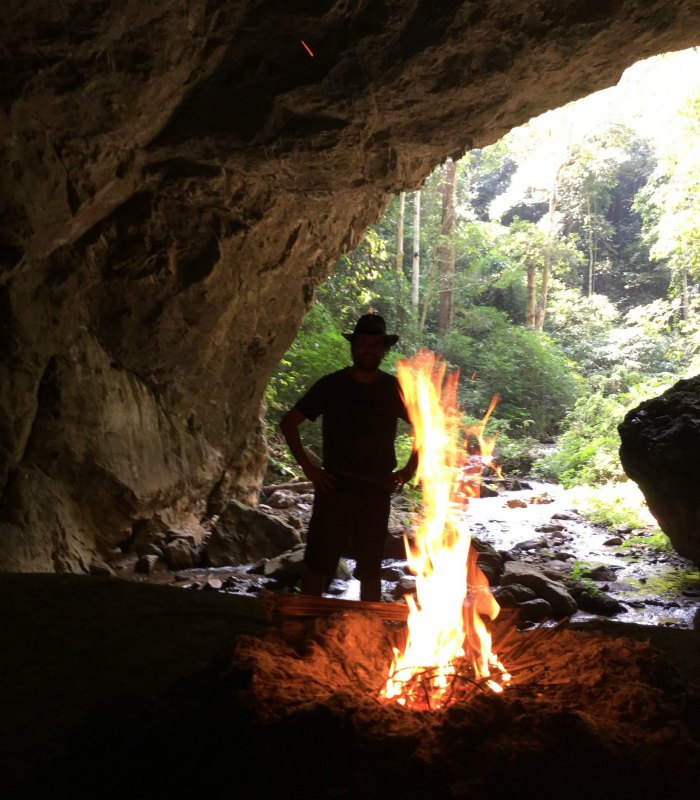
 I have been running courses in Mindfulness in the Woods for a while now and during this time I have met all sorts of people who decided to attend for different reasons. As they introduced themselves around our campfire circle I would get an insight into their stories; some said they were looking for ways to reduce their anxiety, some were keen on outdoor pursuits and wanted to bring something new and meaningful to their time in the great outdoors, whilst others were just curious, knowing that they loved being in a woodland and that mindfulness could possibly help towards reducing stress in their lives.
“Lea is a lovely, warm person who quickly put the group at ease. We practised engaging with nature with all our senses and learnt some strategies to deal with stress and anxiety. I am a walker so this will really enhance my walks and make them more meaningful.” Course Participant
My sessions act as an introduction to the subject and last three hours. Activities can include mindful walking with the senses, reflecting on the Seven Principles of Mindfulness and what nature can teach us about them, making art in nature, Sit Spots and more. The feedback has been great, with many participants asking for a longer version of this course… more on that at the end of this blog.
“I have to say it was a fantastic introduction to mindfulness and meditation. We were immediately made to feel welcome and secure, she created a good nurturing space. We learned new skills and the practical work was really eye opening. Lots of things to take away, and I will certainly be actively practicing what we learned. I would recommend it to anyone who wants to step out of their hectic lives for a couple of hours.” Course Participant
Becoming a Mindfulness in the Woods Practitioner has led me to reflect deeply about my own relationship to nature and how it has developed my connection to self in the process. I now see that when I connect with nature I am also connecting with my body and spirit and don’t see these things as separate but one and the same. Practising mindfulness whilst out in nature has allowed me to connect with the very essence of who I am, the building blocks of my body and the spirit of generations past before me.
Mindfulness in Nature Healed My Own Anxiety
Last year I qualified as a counsellor and life coach. During my study for this I spent four years trying to ‘find myself’ and connect with my body, feelings and authentic self. I did not find this easy. Years of social conditioning and self-protection led me to construct a sense of self that was about other people and their opinions of me rather than my true nature.
Qualifying as a counsellor and leaving college was a difficult transition for me, it coincided with a home & business move from Mid to North Wales, leaving family behind in the process, all the while I was still feeling very much on my journey to self-discovery, peeling away the layers to often difficult and painful aspects of self, but without the weekly Personal Development group I was used to having at college, as a support and space to discuss, cry and reflect, I was beginning to find myself overly anxious with a real fear of slipping into depression.
 I love to learn new skills and take positive action, so on completing my counselling training I then went on to complete training as a Mindfulness in the Woods Practitioner, which for me, brought my love of nature, my Forest School business and my love of personal development and therapy into one neat package. Being able to deliver this all together into a beautiful combination, so others can benefit too, continues to be very rewarding.
I knew it was important to practice what I was teaching to others, so I made regular time for yoga, meditated at home and developed my knowledge of woodlands by noticing and deepening my observation of my natural surroundings; watching the birds and just being still in nature, drinking in her essence and being at one with this place that was also inside of me. For me this was my cure.
Science Agrees: Nature Is Good For You
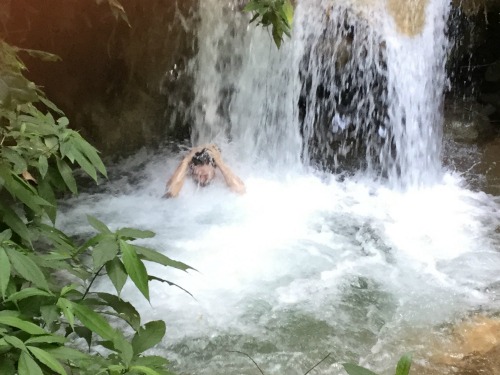
There are studies that show the levels of cortisol (stress hormone) in a person’s saliva is reduced when spending time in nature and studies in Japan show cancer rates being higher in people living in towns compared to those living near a forest. In Japan, mindful time spent in nature is called Shinrin Yoku which translates to “Forest Bathing.”
In their article, Science Agrees: Nature Is Good For You, The Association of Nature & Forest Therapy says that stress is dramatically reduced by both gazing upon a scene in nature and by walking in nature. Again, cortisol levels, sympathetic nerve activity (your body’s reaction to stressful situations), blood pressure and heart rate were all reduced in participants. The article also talks about the increase in immune functioning and creativity. One study showed a group of outward-bound participants scoring 50% better in problem-solving tasks after 3 days of wilderness backpacking.
Amazing Things Happen When You Just Sit Still
When you let yourself relax with nature, become present with it with both body and mind, amazing things start to happen. I’ve seen the evidence first hand, during my mindfulness sessions. The activity I asked the participants to take part in was a Sit Spot, which is time spent looking on a scene in the woodlands, being present in the moment and watching nature. During the Sit Spot, woodland life becomes at peace with us. Insects, birds, even mammals begin to accept us as we slow right down, no longer pose a threat to them but becoming part of the landscape.
On coming back to the fire circle after our Sit Spot one participant told me she had glanced at her Fit Bit whilst sitting and her heart rate was reading lower than it had ever been. Quite a positive result I’d say!
“it seemed the animals accepted me as a natural part of that place. Going there felt like going home. Even the song sparrow who hung out in a nearby patch of knotweed eventually stopped chipping its alarms at me; instead while I sat, it would come to the bush behind me and sing its beautiful song right over my head…. I had so many amazing, unforgettable experiences, just sitting quietly in this place until I became part of the other world of wild animals and nature. You can do the same thing.” Evan McGown, Coyote’s Guide to Connecting with Nature
 I recently had two wonderful experiences myself using the Sit Spot technique. The first was with my husband as we sat in the woods, leaning against an old oak. A dead tree stood close and in the forefront of our view. We were privileged to watch a woodpecker fly to the dead tree and busy itself for the next forty minutes as it drilled, pecked and flitted in and out of holes in the search for insects, seemingly unaware of our presence just below. My most recent experience was a half hour Sit Spot spent in woodland in Derbyshire. Here, amoungst the bluebells, two little woodmice appeared right next to my foot. They were rustling under the leaves and going about their business, paying me no attention at all, leaving me free to watch them up close with absolute wonder and amazement, feeling such gratitude for this experience. My smile reached my ears after this very special encounter.
Want to try Mindfulness in Woodlands for yourself?
I run Mindfulness in the Woods events regularly in North Wales and occasionally in Swansea, Cardiff and Lampeter. If you are interested in attending one of these then you can find upcoming dates on our Events page HERE or you can email me if you’d like to know more.
I am also excited to be co-hosting the Woodland Mindfulness & Bushcraft Weekend in North Wales this coming June, along with three other tutors, each with their own specialism in either mindfulness or bushcraft skills. It’s going to be a fantastic event bringing these two disciplines together.
Lastly, following the beginning of my private counselling practice and running Mindfulness in the Woods events, I have now started offering one-to-one nature therapy sessions. This came about naturally due to a demand from course participants who wanted more and wanted to know what else I could offer them. One woman asked whether she could have a ‘monthly top up’ of Mindfulness in the Woods whilst also having the space to talk privately and focus on herself for a couple of hours with a trained counsellor. If you would like to know more about this service, please get in touch.