

July 5 @ 9:30 am - 4:30 pm
£70.00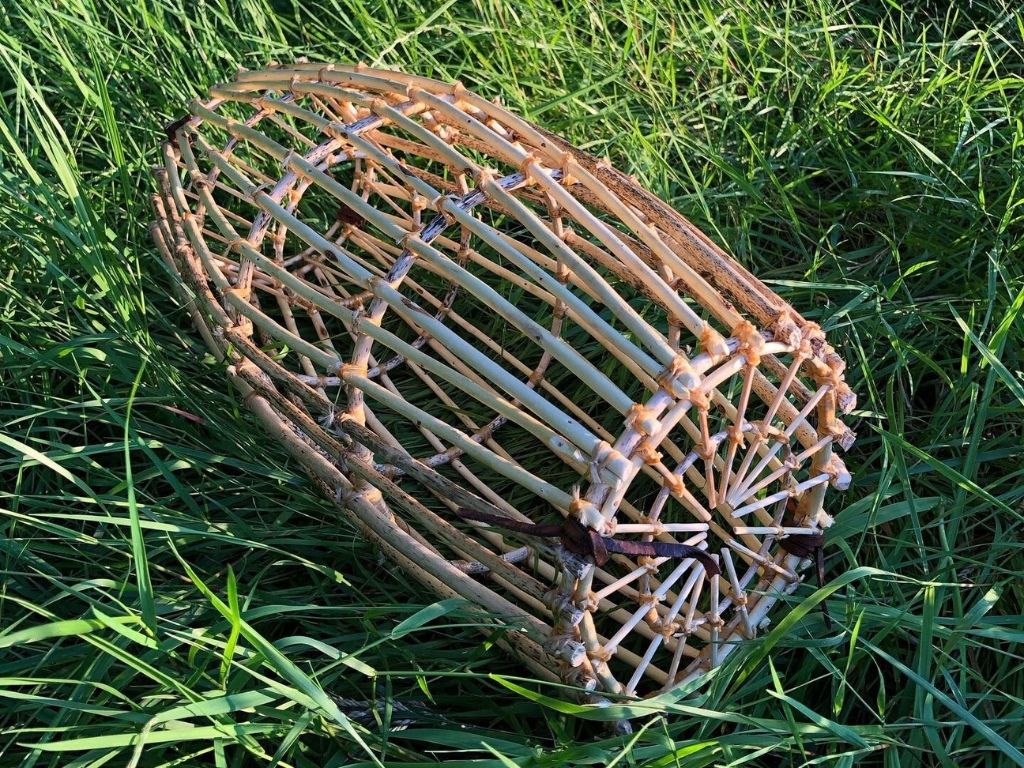
Step into the world of our ancestors and discover the ancient skills of weaving, fibre preparation, and crafting functional traps from natural materials. This hands-on one-day course explores some of the earliest technologies developed by hunter-gatherer cultures, skills that allowed people to gather food, carry resources, store goods, and live in harmony with the natural world.
Set within the historically rich landscape of Park In The Past, this course introduces you to the techniques used to create fish and crab traps suitable for both inland and coastal environments. Guided by primitive skills instructor Billy Souter, you’ll explore traditional basketry methods, experiment with natural fibres, and craft your own woven creation using skills as relevant today as they were thousands of years ago.
Ideal for both beginners and returning bushcraft practitioners, this course offers an opportunity to reconnect with the landscape through slow, mindful craft. You’ll develop confidence in using simple tools, working with plant roots and bark, and understanding how material selection shapes the form and function of traditional woven traps and containers.
Billy shares his thoughts on this enduring craft:
“Weaving is one of the oldest and most universal skills. Whether you’re crafting a trap, a container, or a carrying system, you’re working directly with nature’s materials, feeling how they bend, twist, and respond. Preparing fibres and weaving them into something useful links us with the daily life of our ancestors in a deeply satisfying way. These are humble skills, but full of ingenuity and beauty.”
By the end of the day, you’ll leave with your own woven fish or crab trap and the confidence to continue exploring fibre crafts, basketry, and primitive weaving techniques in your own time.
- Discover how our ancestors created traps, containers, and storage systems using natural fibres and simple tools.
- Learn how to identify and select the right materials; spruce roots, flexible shoots, plant fibres, & bark strips.
- Prepare natural fibres for weaving, including root splitting, soaking, and plant processing techniques.
- Develop core weaving, shaping, and lashing skills used in traditional basketry and trap building.
- Understand environmental considerations and effective techniques for setting traps in inland and coastal waters.
- Practise carving and knife skills essential for trap construction and fibre preparation.
- Experience primitive cooking techniques as the group prepares and shares fresh fish cooked over the campfire.
- Deepen your understanding of the cultural and historical significance of woven crafts.

Your Tutor: Billy Souter
“My passion for Bushcraft came to life in my mid teens and quickly led me venturing down the path of primitive living skills.”
“Having found my passion and decided I wanted to expand my knowledge and pass these skills on to others. Since this time I have trained with various incredible teachers within this field and have used these skills in different environments including Scandinavia, Europe and North America.”
“In recent years I have developed and provided engaging Bushcraft sessions at an Outdoor Centre and Public workshop events for Children, SEN groups, Adults and training to forest school providers. I now also work as a Guest Instructor for established schools and individuals teaching Primitive Living Skills.”
You can view more of Billy’s excellent work via his facebook page.

Skills you will learn
Over the course of the programme you will learn a range of skills, including…





Your day begins at our woodland basecamp beneath the trees. After gathering around the morning fire, Billy will introduce the ancestral origins of weaving and trap making, explaining how these essential skills supported food gathering, transport, and daily life for countless generations.
You’ll learn how to identify and gather suitable weaving resources from the landscape, from spruce roots and tree bark to flexible shoots and plant fibres. Billy will demonstrate traditional fibre preparation; splitting, soaking, softening, and trimming, before guiding you through shaping the wooden frame of your trap or container.
With your materials ready, you’ll begin learning basic weaving and lashing techniques, practising the patterns and tension needed to form a strong, functional structure. Carving and knife-handling will be introduced where needed as you shape elements of your trap.
The afternoon deepens into craft and community. You’ll weave the body of your fish or crab trap, creating the narrowing entrance and final structure while learning how design influences effectiveness. Along the way, Billy will share advice on responsible and ethical trapping, as well as traditional methods for placement, anchoring, and checking traps.
As the craftwork progresses, the scent of woodsmoke will signal a shared meal prepared the primitive way. Together, you’ll gather around the fire to cook fresh fish using ancient techniques; roasting on embers, steaming in leaves or cooking with our hot smoker, experiencing firsthand how our ancestors nourished themselves from land and water. This simple meal, shared outdoors, brings the day’s skills into a meaningful and communal context.
After food, you’ll return to your weaving to complete your trap or container, with time to refine your work and explore alternative designs. Examples of traditional and modern primitive crafts will be available for inspiration throughout the day.
By the end of your time in the woods, you’ll head home with your own woven trap, improved knife and fibre-working skills, and a deeper connection to the resourcefulness of our ancestors—and to the land that continues to provide for us today.

Book now
This course costs £70 per person and is open to adult learners aged 16 years and over. You can read our Event Terms & Conditions here.